



A wood fired wood hot tub represents one of the most authentic and rewarding wellness experiences you can bring into your home. Unlike electric or propane systems, these traditional tubs heat naturally through a wood-burning stove, offering an off-grid solution that connects you with the raw elements while delivering deep relaxation and recovery benefits. For athletes, wellness enthusiasts, and anyone seeking a sustainable home therapy option, understanding how these systems work and what to expect can make the difference between a great investment and a costly mistake.
How a Wood Fired Wood Hot Tub Actually Works
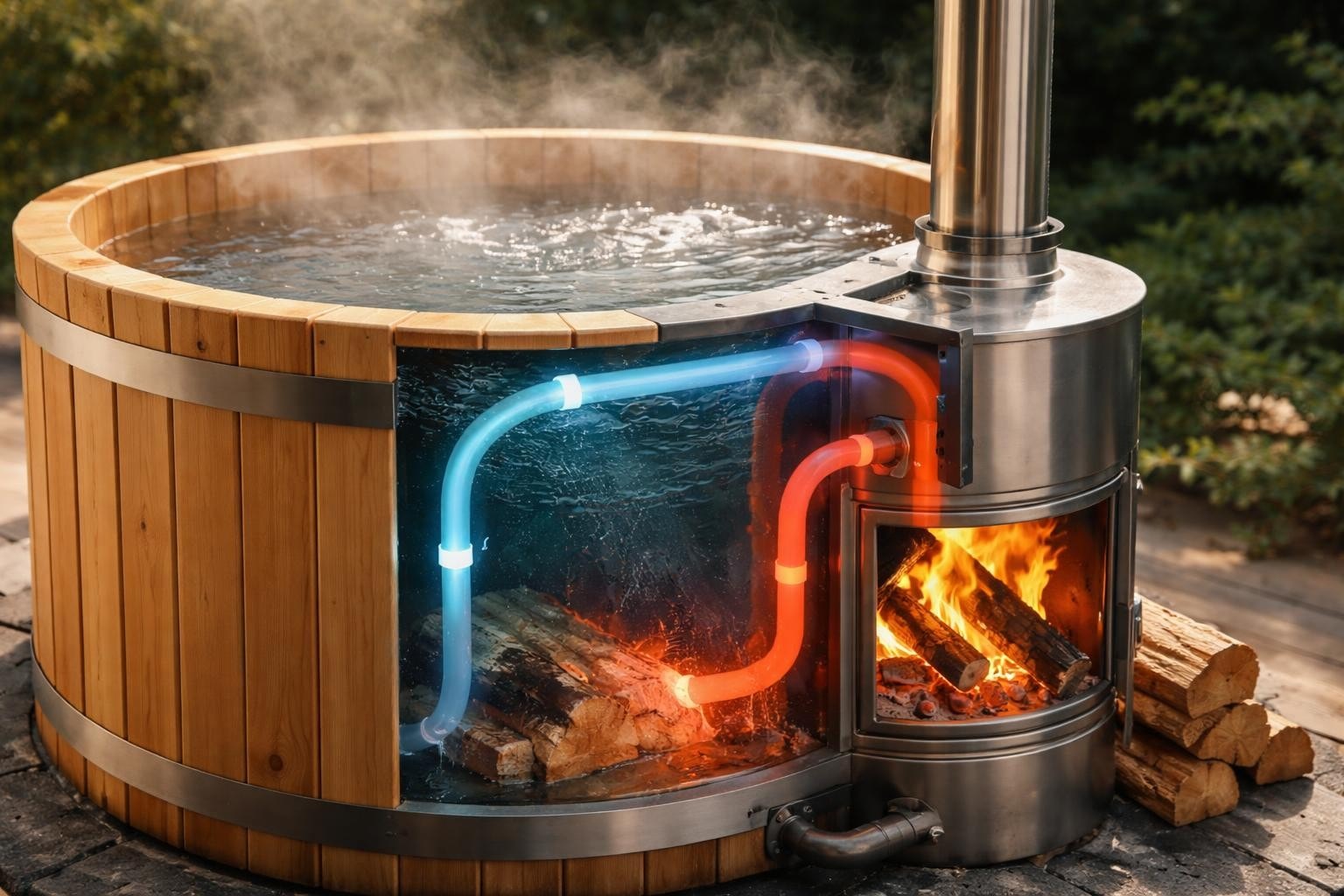
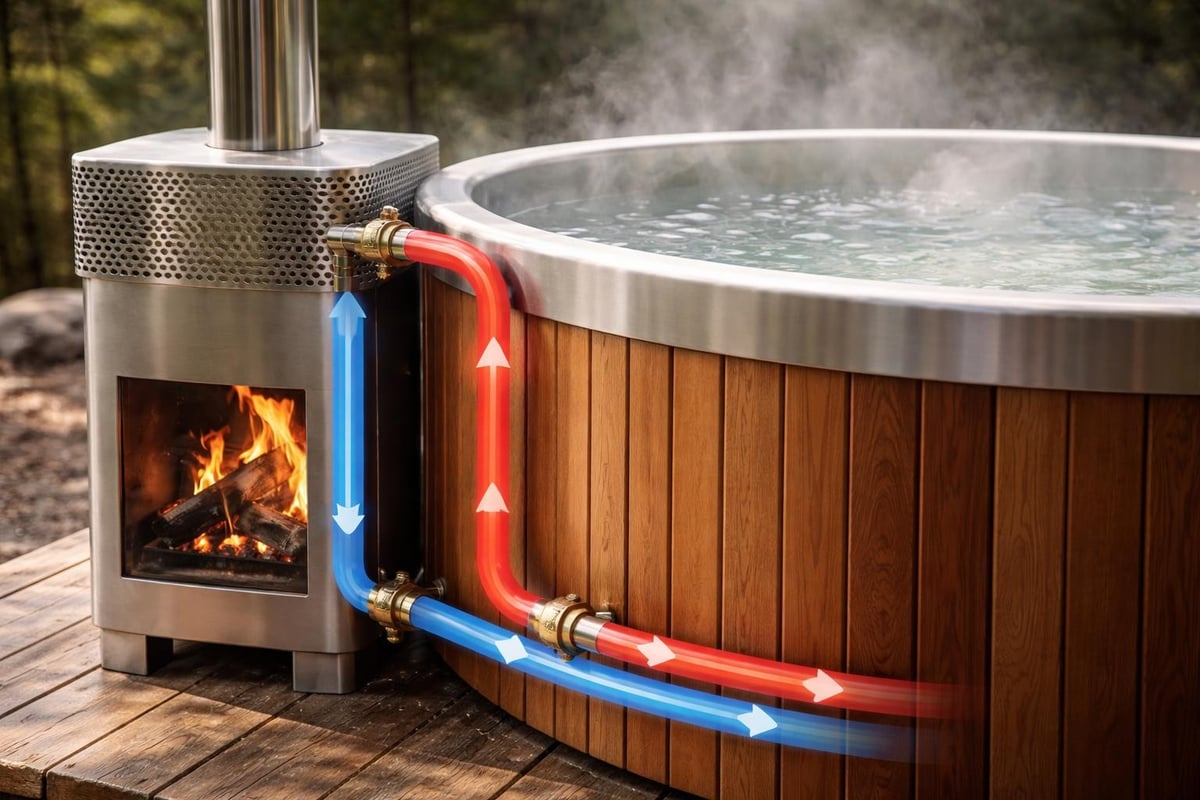
The mechanics behind a wood fired wood hot tub are surprisingly straightforward yet brilliantly effective. Cold water enters the stove chamber from the bottom, heats up as the fire burns, and rises through natural convection back into the tub. This continuous circulation gradually brings the entire water volume to your desired temperature, typically within 2-4 hours depending on tub size and outdoor conditions.
The heating process doesn't require electricity, pumps, or complex control systems. You simply load seasoned firewood into the external or internal stove, light it, and let physics do the work. The thermosiphon principle drives this natural circulation, creating an even heat distribution that many users find more comfortable than forced-air systems.
Key components include:
- External or internal wood-burning stove (typically aluminum or stainless steel)
- Cedar, pine, or spruce wooden tub construction
- Water circulation system (gravity-fed, no pumps needed)
- Optional insulation and covers for heat retention
- Chimney or flue for smoke ventilation
Most quality systems heat a 6-foot tub to 100-104°F in about 3 hours with properly dried hardwood. Softwoods burn faster but require more frequent loading, while hardwoods provide longer, more stable heat output.
Is a Wood Fired Wood Hot Tub Worth It?
The value proposition depends entirely on your priorities and situation. For some users, these systems represent incredible value. For others, the hands-on nature becomes a dealbreaker.
When It Makes Perfect Sense
Off-grid properties and cabins benefit enormously from wood-fired systems. No electrical infrastructure means no installation headaches or ongoing utility costs. If you already heat with wood or have access to free or cheap firewood, the operating cost approaches zero beyond maintenance.
Wellness-focused individuals appreciate the ritual aspect. Building the fire, tending it, and timing your soak creates a mindful experience that electric push-button systems can't replicate. This ceremonial quality enhances the therapeutic benefits for many users.
Athletes and biohackers who already invest in recovery modalities find wood fired wood hot tubs complement their routines perfectly. The deep, penetrating heat supports muscle recovery, while the effort required to prepare the tub creates natural boundaries that prevent overuse.
When to Think Twice
Urban and suburban locations often face regulatory challenges. Smoke ordinances, fire codes, and neighborhood covenants may restrict or prohibit wood-burning systems. Always check local regulations before purchasing.
Time-constrained schedules don't mesh well with 3-hour heat-up times. If you need instant availability, electric systems with chillers offer more flexibility. The wood fired wood hot tub demands planning and patience that busy professionals may struggle to accommodate.
| Advantages | Drawbacks |
|---|---|
| Zero electricity costs | 2-4 hour heat-up time |
| Off-grid capability | Active fire management required |
| Authentic experience | Smoke and ash handling |
| Low maintenance (no pumps/heaters) | Regulatory restrictions in some areas |
| Minimal ongoing costs | Weather-dependent efficiency |
Who Should Buy a Wood Fired Wood Hot Tub?
The ideal buyer profile has evolved significantly over the past five years. While these systems once appealed primarily to rural homesteaders, we now see diverse adoption across several user groups.
Recovery-focused athletes represent the fastest-growing segment. Endurance runners, CrossFit athletes, and outdoor enthusiasts use wood fired wood hot tubs for post-training heat therapy. The natural heat penetrates deeply, supporting muscle recovery without the electric bills associated with daily use of conventional hot tubs.
Cold plunge enthusiasts often add wood-fired hot tubs to create contrast therapy setups at home. The combination of ice-cold immersion followed by wood-fired heat delivers powerful recovery benefits while maintaining an off-grid, sustainable approach.
Homesteaders and sustainability advocates choose these systems for philosophical and practical reasons. The carbon footprint remains minimal when using responsibly sourced firewood, especially compared to electric resistance heating. For properties already equipped with wood heat, adding a wood fired wood hot tub feels natural and aligned with existing infrastructure.
Weekend property owners benefit from systems that don't require constant oversight. Unlike electric tubs that risk freeze damage when left unattended in winter, properly drained wood-fired tubs handle seasonal use without concern.
Experience Level Considerations
Beginners should expect a learning curve of about 5-10 uses before mastering temperature control and timing. The process isn't difficult, but it requires attention and adjustment based on wood type, weather conditions, and desired temperature.
Intermediate users who've operated wood stoves or managed outdoor fires adapt quickly. The skills translate directly, and most report achieving consistent results within their first month of ownership.

What to Look for When Buying a Wood Fired Wood Hot Tub
Construction quality determines whether your investment lasts five years or twenty-five. Focus on these critical factors before making any purchase decision.
Wood Selection and Quality
Eastern White Cedar leads the market for legitimate reasons. This wood resists rot naturally, handles temperature fluctuations without splitting, and requires minimal maintenance when properly treated. Canadian-sourced cedar typically offers superior quality due to slower growth rates in colder climates, producing tighter grain and better durability.
Western Red Cedar provides similar benefits at often lower costs, though it may not match Eastern White Cedar's longevity in harsh climates. Pine and spruce represent budget options but require more frequent maintenance and replacement.
Inspect stave thickness carefully. Quality tubs use 1.5-2 inch thick wood, while cheaper models cut corners with thinner materials that warp and leak prematurely. Proper wood treatment and maintenance protocols extend lifespan significantly regardless of wood type.
Stove Design and Placement
External stoves mount outside the tub perimeter, preserving internal soaking space. They're safer for families with children and easier to maintain, though they require more footprint and careful planning for chimney placement.
Internal stoves heat more efficiently since all heat energy transfers directly to the water. The trade-off involves reduced soaking capacity and potential burn risks if users aren't careful. Most include protective barriers, but supervision remains essential with children present.
Stainless steel stoves outlast aluminum alternatives by years, justifying the higher upfront cost through reduced replacement frequency and better heat transfer efficiency.
Key Specifications Checklist
- Tub capacity: 150-250 gallons for 2-4 people; 250-400 gallons for 4-6 people
- Wall thickness: Minimum 1.5 inches for durability
- Stove material: 304 stainless steel preferred over aluminum
- Band construction: Stainless steel bands resist corrosion better than galvanized
- Drainage: Quality ball valve or plug system for complete draining
- Cover included: Insulated covers dramatically improve heat retention
Many buyers overlook seating considerations. Built-in benches cost more but enhance comfort significantly compared to standing-only designs. Consider your primary use case when deciding.
Common Mistakes Beginners Make
First-time wood fired wood hot tub owners typically encounter the same handful of issues. Avoiding these pitfalls saves frustration and prevents damage.
Firewood Selection Errors
Using unseasoned or green wood represents the most common mistake. Fresh wood contains 40-50% moisture content, produces excessive smoke, creates dangerous creosote buildup, and delivers inconsistent heat. Properly seasoned firewood (dried 6-12 months to below 20% moisture) burns cleaner, hotter, and more predictably.
Softwoods like pine burn fast and require constant attention. Hardwoods such as oak, maple, or ash provide steady, long-lasting heat that's easier to manage. Mix both types strategically: softwood for quick initial heating, hardwood for maintaining temperature during your soak.
Water Chemistry Neglect
Many users treat wood fired wood hot tubs like natural ponds, assuming frequent water changes eliminate the need for chemical treatment. This approach invites bacterial growth, algae blooms, and accelerated wood degradation.
Basic sanitization remains essential even with regular draining. Maintaining proper pH balance between 7.2-7.8 prevents wood damage and keeps water safe for soaking. Simple test strips and minimal chemical additions protect both users and the tub itself.
Essential water maintenance tasks:
- Test pH and sanitizer levels before each use
- Add chlorine or bromine to maintain 3-5 ppm sanitizer levels
- Drain and refill every 4-6 uses for typical 2-person households
- Deep clean interior surfaces monthly with wood-safe cleaners
- Check and adjust alkalinity to buffer pH fluctuations
Temperature Management Mistakes
Overheating damages wood, creates uncomfortable soaking conditions, and wastes firewood. Most beginners stoke fires too aggressively, pushing water temperatures above 106°F where prolonged exposure becomes potentially dangerous.
Install a floating thermometer and check temperatures regularly during heating. Once you reach 100°F, reduce fire intensity by allowing existing coals to burn down rather than adding fresh wood. The thermal mass continues raising temperatures even after you stop feeding the fire.
Winter Operation Oversights
Failing to properly winterize leads to expensive freeze damage. Even small amounts of trapped water expand when frozen, cracking wood staves and splitting stove chambers.
Complete drainage isn't enough in subfreezing climates. Tip the tub to eliminate residual water from low points, remove drain plugs entirely, and consider storing stove components indoors if possible. Cover the tub to prevent snow and ice accumulation, but ensure ventilation to avoid moisture buildup.
Setup and Installation Considerations
Successful installation starts with proper site selection and preparation. Unlike plug-and-play electric tubs, wood fired wood hot tubs require thoughtful placement that accounts for multiple factors.
Location Requirements
Level, stable foundations prevent structural stress and uneven heating. A 6-foot tub filled with water weighs approximately 2,500-3,000 pounds, demanding either a reinforced deck rated for the load or a ground-level pad of compacted gravel or concrete.
Clearances matter significantly. External stoves require 3-5 feet of clearance from combustible structures. Chimney placement must comply with local building codes, typically requiring specific distances from rooflines, windows, and property lines.
Consider privacy, views, and access to firewood storage. Hauling wood 100 feet through snow gets old quickly. Position your wood fired wood hot tub where you'll actually use it regularly, not just where it looks picturesque.
Assembly and First Fill
Most quality tubs arrive fully assembled, though some require band tightening and final adjustments. The wood staves need initial swelling to create watertight seals, a process that takes 24-48 hours after first filling.
Initial setup sequence:
- Position tub on prepared foundation
- Fill completely with water
- Tighten bands evenly as wood begins swelling
- Monitor for leaks and adjust bands as needed
- Allow 48 hours for complete swelling before first heating
- Drain initial water and refill with fresh water for first use
Small leaks during initial filling are normal. The wood expands as it absorbs water, gradually sealing gaps between staves. Panic-tightening bands too aggressively can warp wood or create uneven pressure distribution.
Maintenance and Long-Term Care
Proper maintenance determines whether your wood fired wood hot tub provides decades of service or requires premature replacement. The good news is that required tasks are straightforward and take minimal time when performed regularly.
Routine Cleaning Protocols
After each use, remove any debris floating on the surface and wipe down the waterline where oils and residues accumulate. This simple 5-minute task prevents buildup that becomes difficult to remove later.
Weekly deep cleaning involves draining the tub, scrubbing interior surfaces with a soft brush and wood-safe cleaner, and rinsing thoroughly. Avoid harsh chemicals or abrasive tools that damage wood fibers or strip protective treatments.
The stove requires ash removal after every 3-4 uses. Let coals cool completely, remove ash buildup, and inspect for creosote deposits that need brushing away. Neglected stoves lose heating efficiency and create fire hazards.
Seasonal Wood Treatment
Untreated cedar exposed to constant wet-dry cycles eventually grays, cracks, and deteriorates. Annual treatment with quality wood oil or sealant protects against UV damage, moisture penetration, and temperature stress.
Apply treatment to dry wood during warm, dry weather. Most products require 24-48 hours to fully cure before refilling the tub. This maintenance window fits naturally into seasonal opening and closing routines for property owners who use tubs seasonally.
Interior surfaces benefit from occasional light sanding to remove roughened grain and restore smooth texture. Use fine-grit sandpaper (220-grit), work with the grain, and reapply wood treatment to sanded areas.
Integration with Cold Therapy and Recovery Routines
Wood fired wood hot tubs excel within comprehensive recovery protocols. The contrast between cold exposure and wood-fired heat creates powerful physiological responses that support athletic performance and general wellness.
Athletes using cold plunge therapy report enhanced benefits when alternating with hot tub sessions. The rapid temperature shifts trigger vascular responses, reduce inflammation, and accelerate recovery from intense training sessions.
A typical contrast therapy sequence might involve 3-5 minutes in a cold plunge at 45-55°F, followed by 10-15 minutes in the wood fired wood hot tub at 100-104°F, repeated for 2-3 cycles. This approach requires planning since the hot tub needs 2-4 hours of heating time before use.
For those committed to daily recovery practices, consider systems that complement each other. Wood-fired hot tubs handle evening relaxation sessions beautifully, while modern cold plunge systems with integrated chillers provide on-demand cold therapy without ice management. The Starlight Wood-Burning Hot Tub offers a natural heating solution that pairs perfectly with dedicated cold therapy equipment, bringing professional-grade recovery experiences home.
Cost Analysis and Budget Planning
Understanding total ownership costs prevents buyer's remorse and helps set realistic expectations. The purchase price represents just one component of your investment.
| Cost Category | Initial Investment | Annual Ongoing |
|---|---|---|
| Tub system (quality) | $4,000-$8,000 | $0 |
| Site preparation | $200-$2,000 | $0 |
| Firewood (if purchased) | $0 | $200-$600 |
| Water chemicals | $50 | $100-$200 |
| Wood treatment/maintenance | $75 | $75-$150 |
| Cover replacement | $0 | $100 (every 3-5 years) |
| Total | $4,325-$10,125 | $375-$950 |
These figures assume moderate use (2-3 times weekly) and purchased firewood. Users with free firewood access reduce ongoing costs to chemicals and occasional maintenance supplies.
Compare this with electric hot tubs costing $3,000-$12,000 initially plus $50-$150 monthly in electricity, $200-$400 annually in filter replacements, and eventual pump and heater replacements ($500-$1,500 every 5-10 years). Over a 15-year ownership period, wood fired systems often cost 40-60% less when factoring total expenses.
Hidden Value Considerations
Off-grid capability provides backup wellness infrastructure during power outages. While your neighbors lose access to electric hot tubs, your wood fired wood hot tub operates normally, offering stress relief precisely when it's most needed.
Property value impacts vary by location. Rural and recreational properties often see positive returns from quality outdoor amenities. Urban properties may face neutral or negative impacts due to perceived maintenance requirements.
Frequently Asked Questions
How long does it take to heat a wood fired wood hot tub?
Most 6-foot tubs reach 100-104°F in 2.5-4 hours depending on starting water temperature, outdoor conditions, and wood quality. Larger 8-foot tubs may require 4-6 hours. Insulated covers and wind protection reduce heating times by 30-40%.
Can I use a wood fired wood hot tub in winter?
Absolutely. Winter operation actually works beautifully since cold inlet water creates stronger thermosiphon circulation. Using a wood-fired hot tub in cold weather requires extra firewood for heating and diligent covering between uses to maintain temperature. The experience of soaking in 104°F water while surrounded by snow and stars is unforgettable.
How often should I change the water?
With proper chemical maintenance, change water every 4-6 uses for 1-2 person households, or every 2-3 uses for families of 4-6. More frequent changes reduce chemical needs but increase water costs. Balance convenience, cost, and environmental impact based on your priorities.
What type of wood burns best?
Hardwoods like oak, maple, ash, and hickory provide the most efficient, longest-lasting heat. Fruit woods such as apple and cherry burn clean with pleasant aromas. Avoid resinous softwoods like pine for primary fuel, though they work well for kindling and quick temperature boosts.
Do I need a permit?
Requirements vary dramatically by jurisdiction. Most rural areas don't require permits for residential wood-burning amenities. Urban and suburban locations often mandate building permits, especially for permanent installations with foundations. Always check local regulations before purchasing to avoid expensive compliance issues.
How does maintenance compare to electric hot tubs?
Wood fired wood hot tubs require more frequent but simpler maintenance. You'll drain and clean more often, treat the wood annually, and manage ash removal. However, you avoid pump maintenance, heater repairs, and complex electronic troubleshooting. The trade-off favors hands-on individuals comfortable with basic upkeep tasks.
A wood fired wood hot tub delivers authentic wellness experiences that electric systems simply can't replicate, combining deep relaxation with the satisfaction of self-sufficient operation. Whether you're an athlete seeking serious recovery tools or someone who values sustainable, off-grid living, these systems offer proven benefits when properly selected and maintained. Plunge N' Tubs provides premium cold plunge and hot tub systems crafted from the highest quality Canadian wood, trusted by athletes and wellness professionals across North America with fast, free delivery that brings professional-grade recovery experiences directly to your home.
Share:
Cheap Cold Plunge Tub: Your Complete Buying Guide
Cold Plunge at Home: Setup, Benefits & Buying Guide