




Cold water immersion therapy has exploded in popularity among athletes, biohackers, and wellness enthusiasts. Once reserved for elite training facilities, the practice of deliberate cold exposure is now accessible in your own home through a dedicated cold plunge bathtub. Whether you're looking to reduce muscle soreness after intense workouts, improve mental clarity, or simply add a proven recovery tool to your routine, understanding what makes a quality system matters before you invest.
What Is a Cold Plunge Bathtub?
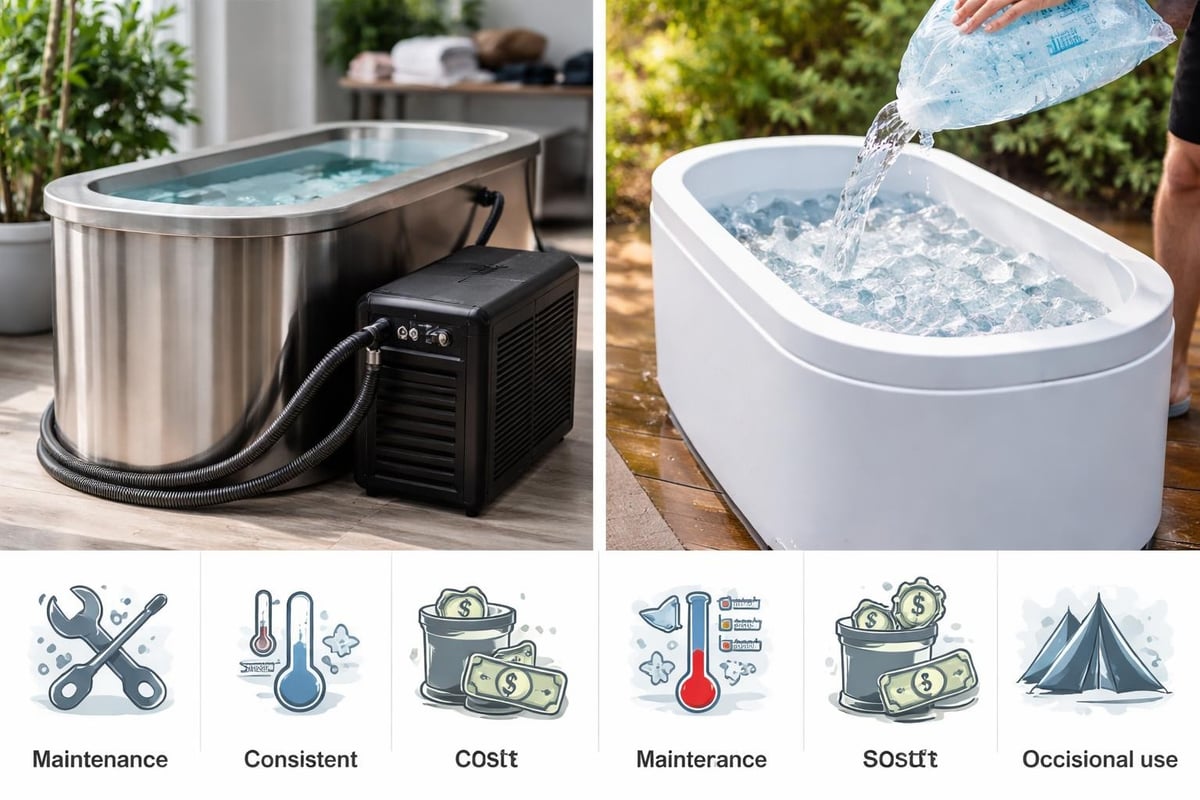
A cold plunge bathtub is a specialized tub designed specifically for cold water immersion therapy. Unlike a standard bathtub filled with ice, these systems maintain consistent cold temperatures through integrated chiller units or well-insulated designs that require minimal ice maintenance.
The key difference lies in temperature control and durability. A proper cold plunge bathtub keeps water between 37°F and 55°F without constant manual intervention. This consistency matters because research shows cold plunging benefits are most effective when temperatures remain stable and exposure times are controlled.
Types of Cold Plunge Systems
Plug-and-play electric chillers offer the most convenience. These units circulate and cool water automatically, maintaining your target temperature year-round. You set it once and plunge whenever you want.
Ice-based systems require adding ice before each session. They're typically more affordable upfront but demand more effort and ongoing ice costs. Best for occasional users or those testing cold therapy before committing fully.
Hybrid designs accommodate both methods. You can use a chiller for daily consistency or add ice when traveling or during power outages. This flexibility appeals to serious users who want backup options.
Benefits Backed by Real Science
Cold water immersion triggers several physiological responses that extend beyond simple muscle recovery. Understanding these mechanisms helps you maximize results and set realistic expectations.
Reduced inflammation and faster recovery top the list for athletes. When you immerse in cold water, blood vessels constrict, reducing swelling in muscles and joints. Once you exit, fresh blood rushes back, carrying oxygen and nutrients that accelerate healing.
Mental clarity and mood elevation occur through norepinephrine release. This neurotransmitter sharpens focus and creates a natural high that lasts hours after your plunge. Many users report this benefit as their primary reason for consistent practice.
Improved sleep quality results from the body's temperature regulation response. Your core temperature drops during immersion, then rises afterward. This temperature shift signals your circadian rhythm, promoting deeper sleep when timed correctly.
The Performance Edge
Athletes use cold plunge bathtubs strategically around training cycles. Post-workout sessions reduce delayed onset muscle soreness (DOMS), allowing for higher training frequency without extended recovery periods.
Morning plunges before important events provide mental sharpness without stimulants. The controlled stress response activates your nervous system naturally, similar to caffeine but without jitters or crashes.
Research featured in recent studies on cold plunge benefits demonstrates cardiovascular improvements from regular practice. Blood pressure regulation, improved circulation, and enhanced metabolic function all contribute to long-term health outcomes.
Is It Worth It?
This question depends entirely on your goals, frequency of use, and current wellness spending. Let's break down the real costs versus alternatives.
A quality cold plunge bathtub ranges from $3,000 to $12,000 depending on features, size, and chiller capacity. This upfront investment seems substantial until you compare it against alternatives.
Gym or spa memberships offering cold plunge access typically cost $100-300 monthly. That's $1,200-3,600 annually. Your own system pays for itself within 1-3 years while providing unlimited access on your schedule.
Ice bath DIY methods using chest freezers or standard tubs require constant ice purchases, averaging $40-80 monthly depending on frequency. The inconvenience factor and temperature inconsistency often lead to abandoned routines.
Calculating Your Break-Even Point
| Option | Monthly Cost | Annual Cost | 3-Year Total |
|---|---|---|---|
| Premium Spa Access | $250 | $3,000 | $9,000 |
| Gym Membership (with cold plunge) | $150 | $1,800 | $5,400 |
| DIY Ice Method | $60 | $720 | $2,160 |
| Home Cold Plunge Bathtub | $0* | $0* | $6,000-8,000** |
*After initial purchase **Including average purchase price and minimal operating costs
The convenience factor adds unmeasured value. No driving, no waiting for equipment, no restricted hours. You plunge before work, after training, or whenever your body needs it.
Who Should Buy a Cold Plunge Bathtub?
Not everyone needs a dedicated system. Understanding who benefits most helps you make an informed decision.
Athletes training 4+ times weekly see the clearest ROI. Faster recovery between sessions means more quality training volume. If you're serious about performance, this becomes essential equipment, not a luxury.
People with chronic inflammation from conditions like arthritis find consistent relief. Daily cold exposure reduces systemic inflammation more effectively than sporadic treatments.
Biohackers optimizing for longevity value the metabolic and cardiovascular benefits. Cold therapy fits naturally into protocols including sauna use, fasting, and targeted supplementation.
Who Should Wait
Casual users plunging 1-2 times monthly may find a gym membership more economical. The convenience doesn't justify the cost without regular use.
Those with cardiovascular concerns should consult physicians before any cold therapy practice. The cardiovascular stress from cold immersion, while generally beneficial for healthy individuals, requires medical clearance for some conditions.
Renters without outdoor space face practical challenges. Most systems require dedicated space and drainage. Portable options exist but offer fewer features and less temperature control.
What to Look for When Buying a Cold Plunge Bathtub
The market offers dozens of options with varying quality and features. These criteria separate worthwhile investments from expensive disappointments.
Material and Construction Quality
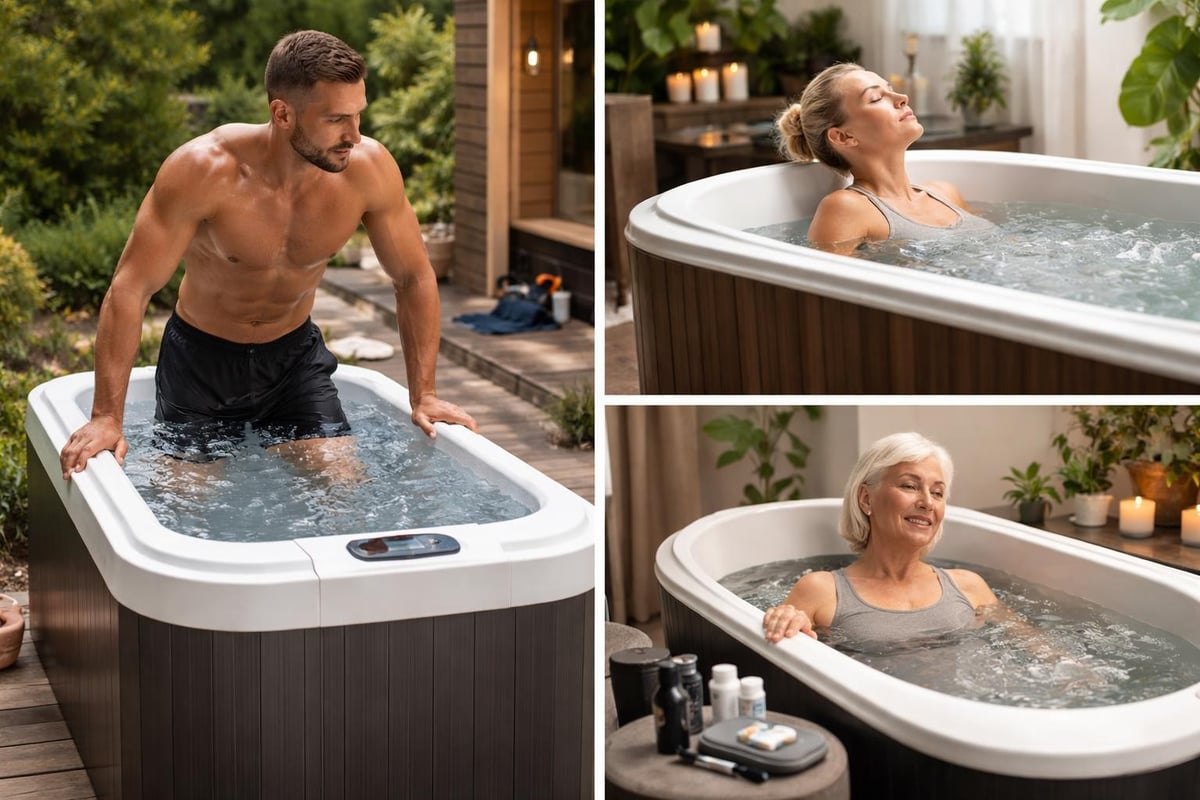
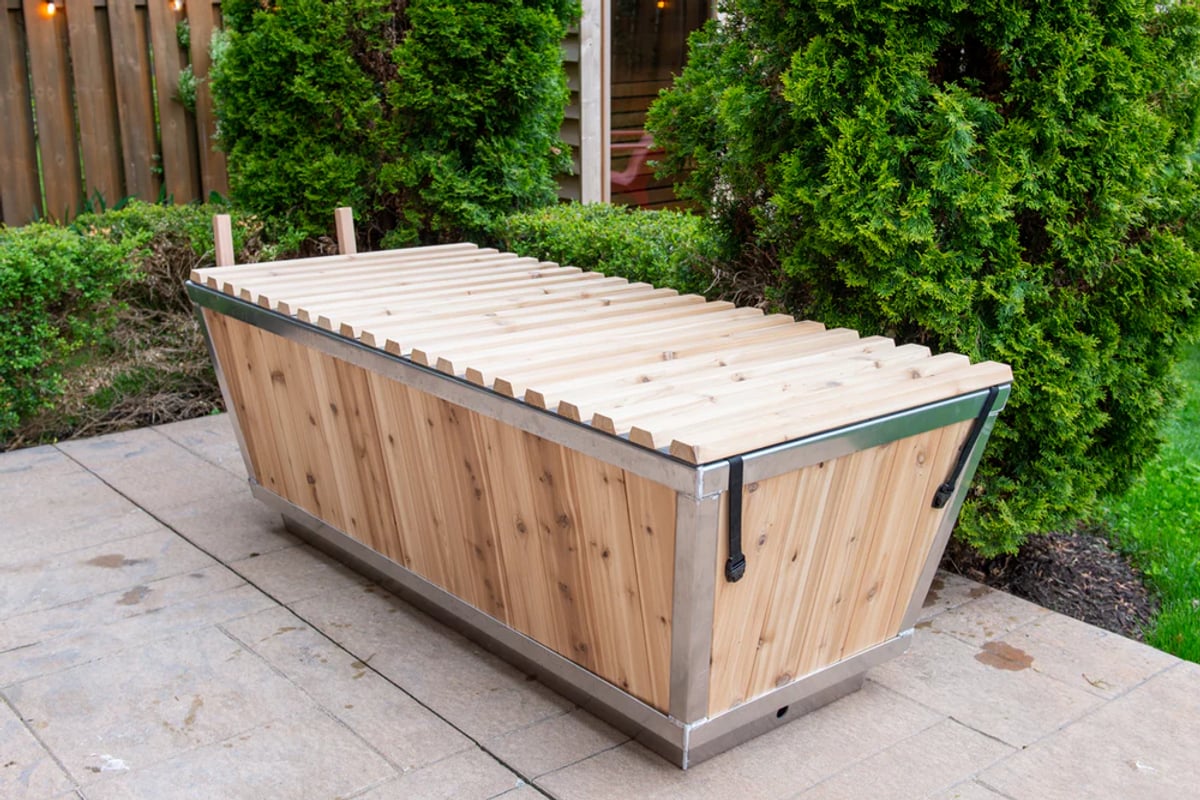
Premium materials matter for longevity and performance. Eastern White Cedar and similar hardwoods offer natural insulation and weather resistance. Stainless steel interiors provide durability and easy cleaning. Acrylic systems deliver sleek aesthetics with excellent temperature retention.
Avoid thin plastics or composite materials that crack under temperature stress. Your cold plunge bathtub will experience extreme temperature swings, especially in outdoor installations. Construction quality directly impacts how long your system lasts.
Insulation thickness determines operating efficiency. Well-insulated tubs maintain temperature with less chiller runtime, reducing electricity costs. Look for minimum 2-inch insulation in walls and floors.
Chiller System Specifications
Not all chillers perform equally. Underpowered systems struggle in warm climates or with larger tub volumes.
Horsepower ratings indicate cooling capacity. A 1HP chiller handles most residential needs in moderate climates. Larger tubs or hot environments may require 1.5-2HP units.
Temperature range flexibility adds versatility. Systems cooling to 37°F provide true cold therapy options. Some users prefer gentler 50°F exposures initially, gradually working colder as they adapt.
Energy efficiency impacts long-term costs. Modern chillers with variable-speed compressors use 30-40% less electricity than older constant-speed models.
Size and Space Considerations
Interior dimensions determine comfort and effectiveness. You need enough depth to submerge shoulders while seated. Minimum 30 inches depth works for most adults. Length should accommodate your height comfortably.
| Tub Size | Dimensions | Best For | Water Capacity |
|---|---|---|---|
| Compact | 48"L x 30"W x 30"D | Solo use, limited space | 150-200 gallons |
| Standard | 60"L x 36"W x 33"D | Single user, full immersion | 250-300 gallons |
| Large | 72"L x 42"W x 36"D | Couples or spacious comfort | 350-450 gallons |
Installation footprint includes clearance for equipment access and drainage. Plan for 20-30% additional space beyond the tub's physical dimensions.
Additional Features Worth Considering
Filtration systems keep water clean between changes. Quality filters reduce maintenance frequency and extend water life. UV sanitization options eliminate the need for harsh chemicals.
Digital controls provide precise temperature management. WiFi-enabled systems let you preheat or cool remotely, ensuring your plunge is ready when you are.
Built-in steps or seating improve safety and comfort. Easy entry and exit matter, especially during the disorienting moments immediately after cold exposure.
The Polar Plunge Tub exemplifies premium construction with its 304 stainless steel or White HDPE plastic interior options paired with naturally durable White Cedar exterior. Manufactured in Canada, it's built to withstand outdoor use year-round while providing professional-grade recovery at home.
Common Mistakes Beginners Make
Even with quality equipment, users sabotage results through avoidable errors. Learning from others' mistakes accelerates your progress.
Starting Too Cold, Too Long
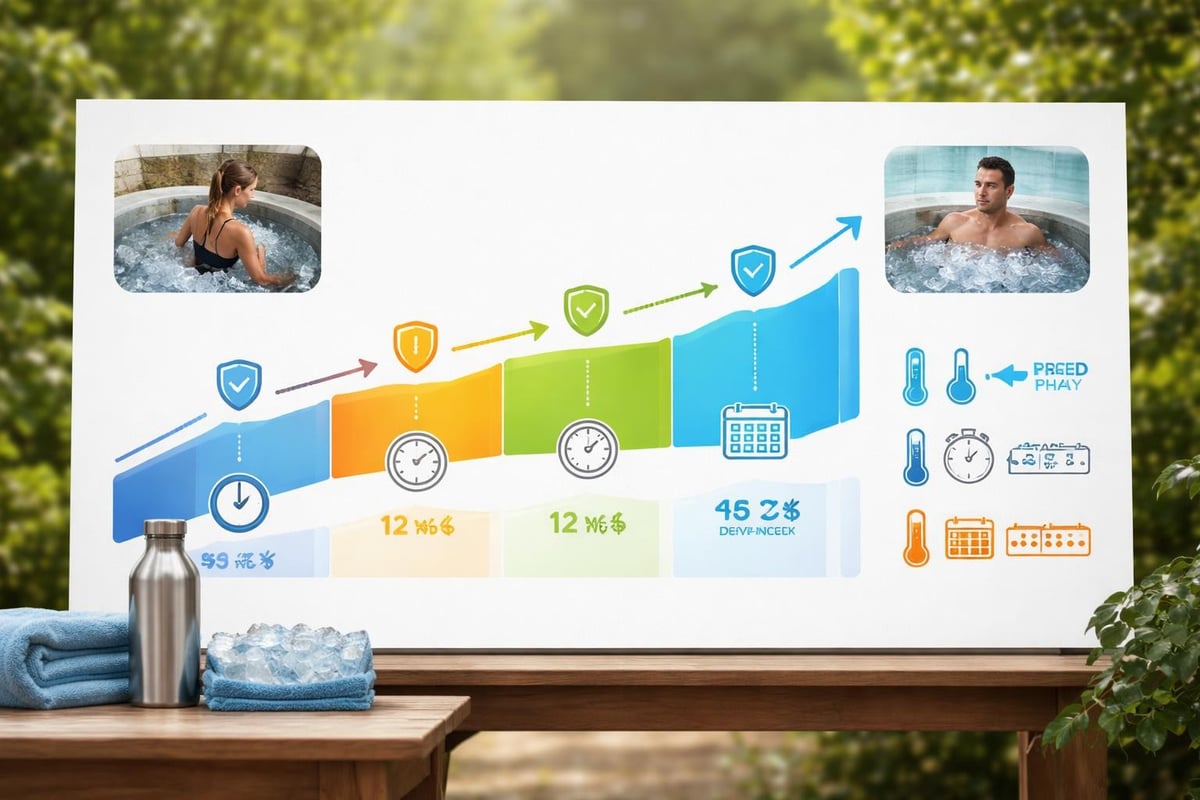
New users often attempt extreme protocols immediately. Starting at 38°F for 10 minutes creates a miserable experience that discourages continued use. Begin at 55-60°F for 2-3 minutes. Your tolerance builds quickly with consistent practice.
Progressive adaptation works better than shock therapy. Drop temperatures by 3-5 degrees weekly while gradually extending duration. Within a month, most users comfortably handle 45°F for 5-8 minutes.
Inconsistent Practice
Sporadic cold plunging delivers minimal benefits. The physiological adaptations from cold exposure require regular stimulus. Three times weekly minimum provides noticeable results. Daily practice optimizes outcomes for serious users.
Establish a routine tied to existing habits. Post-workout, first thing in the morning, or before evening wind-down routines all work. Consistency matters more than timing.
Ignoring Safety Protocols
Never plunge alone when beginning. The cardiovascular stress and potential for hyperventilation or panic requires supervision initially. Once you understand your body's responses, solo sessions become safe.
Breathing control prevents panic. Slow, controlled breaths through the initial shock response keep your nervous system regulated. Gasping and hyperventilating trigger stress responses that undermine benefits.
Exit immediately if you experience numbness beyond hands and feet, chest pain, or extreme confusion. These signals indicate excessive exposure.
Poor Water Maintenance
Neglecting filtration and sanitation creates health risks. Change water weekly with moderate use, more frequently with daily sessions. Clean filters monthly. Test water chemistry if using sanitizers.
Temperature monitoring matters. Chillers occasionally malfunction. Verify actual water temperature with a separate thermometer, not just the chiller display. A few degrees makes significant difference in exposure effects and safety.
Installation and Maintenance Requirements
Understanding the practical aspects prevents post-purchase surprises.
Setup Considerations
Electrical requirements vary by chiller size. Most residential units run on standard 120V outlets. Larger commercial-grade systems may need 240V dedicated circuits. Verify your electrical capacity before purchasing.
Drainage planning determines placement options. Indoor installations require floor drains or proximity to utility sinks. Outdoor setups offer more flexibility but consider water runoff and local codes.
Climate adaptation matters for outdoor installations. Well-insulated systems handle freezing temperatures, but chillers themselves may require protection below certain thresholds. Check manufacturer specifications for your region's extremes.
Ongoing Maintenance
Regular care extends system life and ensures optimal performance.
- Weekly water testing monitors pH, alkalinity, and sanitizer levels if using chemicals
- Monthly filter cleaning maintains circulation efficiency and water clarity
- Quarterly chiller inspection catches minor issues before they become expensive repairs
- Seasonal preparation protects outdoor systems during extreme weather periods
Operating costs average $30-60 monthly for electricity in moderate climates with daily use. Well-insulated systems in mild regions run toward the lower end. Hot climates or poorly insulated tubs increase costs.
Setting Up Your Cold Plunge Routine
Effective protocols maximize benefits while building sustainable habits.
Timing Strategies
Post-workout plunging reduces inflammation and accelerates recovery. Wait 30-60 minutes after training to allow initial inflammatory response, which signals muscle adaptation. Then plunge to limit excessive inflammation.
Morning sessions provide mental clarity and energy without affecting sleep. The norepinephrine spike enhances focus for 4-6 hours. Many professionals use this timing before important meetings or creative work.
Evening plunges work for some but disrupt sleep for others. The temperature regulation response can promote sleep when timed 2-3 hours before bed. Closer proximity to bedtime may be too stimulating.
Duration and Temperature Guidelines
| Experience Level | Temperature Range | Duration | Frequency |
|---|---|---|---|
| Beginner (Week 1-2) | 55-60°F | 2-3 minutes | 3x weekly |
| Intermediate (Month 1-3) | 45-50°F | 4-6 minutes | 4-5x weekly |
| Advanced (3+ months) | 37-45°F | 6-10 minutes | 5-7x weekly |
These ranges provide general guidance. Individual tolerance varies significantly. Mental health benefits from cold plunging often emerge before physical performance gains, motivating continued practice through early discomfort.
Breathing and Mental Preparation
Controlled breathing separates productive cold therapy from mere suffering. Practice box breathing before entry: 4 counts in, 4 counts hold, 4 counts out, 4 counts hold. Continue this pattern during immersion.
Mental framing influences experience quality. Viewing cold exposure as voluntary challenge rather than punishment changes your physiological response. Athletes familiar with hard training adapt quickest.
Post-plunge protocols enhance benefits. Gentle movement and gradual rewarming work better than immediate hot showers. Allow your body's natural thermogenesis to restore temperature for 10-15 minutes.
Comparing Cold Plunge Bathtub Options
The market offers diverse systems across price points and feature sets. Understanding categories helps narrow choices.
Budget-Conscious Entry Points
Stock tank conversions and simple ice-based tubs start around $1,000-2,000. They require manual ice management but prove the concept before major investment. Good for testing tolerance and building habits.
Inflatable systems with small chillers range $2,000-4,000. Portability and easy storage appeal to renters or those with space constraints. Durability concerns limit long-term value.
Mid-Range Quality Systems
Wooden tubs with optional chiller integration occupy the $4,000-7,000 range. These offer aesthetic appeal, good insulation, and upgrade flexibility. Many users start with ice-based use, adding chillers later.
Customer results with cold plunge systems demonstrate the real-world impact of consistent use across different system types and user profiles.
Premium Professional-Grade Options
Integrated chiller systems with advanced features cost $8,000-12,000+. These deliver gym-quality performance at home with precise controls, robust construction, and comprehensive warranties.
Professional athletes and wellness centers choose premium options for reliability and feature depth. If cold therapy becomes central to your performance or business, this investment tier makes sense.
Integration with Other Recovery Tools
Cold plunge bathtubs complement additional recovery modalities. Strategic combination amplifies results.
Contrast Therapy Protocols
Hot-cold cycling using sauna and cold plunge creates powerful cardiovascular stimulus. The extreme temperature shifts improve circulation, enhance immune function, and provide intense relaxation.
Standard protocol: 15-20 minutes sauna, 3-5 minutes cold plunge, repeat 3-4 cycles. End on cold for invigoration or heat for relaxation. Many premium facilities offer both, but home hot and cold plunge setups provide the same benefits without scheduling conflicts.
Complementary Practices
Compression therapy before cold plunging enhances lymphatic drainage. The cold exposure then reduces any inflammation from tissue manipulation.
Meditation and breathwork during immersion transforms cold plunging from physical recovery into mental training. The controlled stress environment provides ideal practice for regulating nervous system responses.
Red light therapy post-plunge may accelerate muscle recovery through cellular energy production. While research continues, many athletes report enhanced results from this combination.
Frequently Asked Questions
How cold should my cold plunge bathtub be?
Most users find 45-50°F ideal for daily practice. This temperature provides strong benefits without excessive stress. Beginners start at 55-60°F, while experienced users occasionally go to 37-40°F for intense sessions.
How long should I stay in a cold plunge?
Begin with 2-3 minutes and build to 5-10 minutes as tolerance increases. More time doesn't necessarily mean better results. Consistency and proper temperature matter more than extended duration.
Can I use a regular bathtub for cold plunging?
You can fill a standard tub with ice water for occasional practice, as explained in detailed bathtub cold plunge guides, but maintaining consistent temperature for regular practice becomes expensive and impractical. Dedicated systems provide better results for committed users.
Do I need a chiller or can I just use ice?
Ice works for occasional use but becomes costly and inconvenient for regular practice. A chiller provides consistent temperature and eliminates daily ice preparation. Choose based on intended frequency and convenience priorities.
Is cold plunging safe for everyone?
Most healthy adults tolerate cold plunging well, but those with cardiovascular conditions, pregnancy, or certain medical issues should consult physicians first. Never plunge alone initially until you understand your body's response.
How often should I change the water?
With proper filtration and occasional sanitizer use, weekly changes work for daily use. Without filtration, change water every 3-4 uses to maintain cleanliness and prevent bacterial growth.
Will a cold plunge bathtub work outdoors in winter?
Quality insulated systems handle freezing temperatures, though chiller components may need protection below certain thresholds. Check manufacturer specifications for your climate's temperature extremes. Many Canadian-built systems excel in harsh winter conditions.
A cold plunge bathtub transforms recovery from expensive spa luxury into daily home practice, delivering consistent benefits that compound over time. Understanding the features, protocols, and practical requirements ensures your investment matches your goals and lifestyle. Whether you're an athlete chasing performance gains or a wellness enthusiast optimizing health, the right system provides decades of reliable service. Plunge N' Tubs offers premium Canadian-crafted cold plunge systems with fast, free delivery across North America, bringing professional-grade recovery directly to your home.
Share:
Cedar Cold Plunge: The Complete Buyer's Guide for 2026
Hot and Cold Jacuzzi: Complete Guide to Contrast Therapy