


Contrast therapy using a hot and cold jacuzzi system has become one of the most powerful recovery tools for athletes, wellness enthusiasts, and anyone serious about optimizing their health. This approach alternates between hot and cold water immersion to trigger physiological responses that traditional single-temperature methods simply cannot match. By deliberately exposing your body to temperature extremes, you activate circulation, reduce inflammation, and accelerate recovery in ways that feel transformative.
The practice isn't new, but modern understanding of how temperature exposure affects the body has revolutionized how we approach recovery. Whether you're training for competition, managing chronic pain, or simply looking to enhance your daily wellness routine, understanding the science and practical application of hot and cold jacuzzi systems can change how you feel and perform.
Understanding Contrast Therapy Science
Contrast therapy works by creating a vascular response through alternating vasodilation and vasoconstriction. When you immerse yourself in hot water, blood vessels expand and circulation increases to the skin's surface. Switch to cold water, and those vessels constrict, pushing blood back toward your core and vital organs.
This pumping action creates a flushing effect throughout your entire circulatory system. Fresh, oxygenated blood reaches muscle tissue while metabolic waste products get cleared more efficiently. Research on cold water immersions demonstrates measurable benefits for stress reduction and recovery.
The Temperature Sweet Spot
Getting temperatures right makes all the difference in your results:
- Hot water: 100-104°F (38-40°C) for relaxation and circulation
- Cold water: 50-59°F (10-15°C) for inflammation control and recovery
- Duration: 3-5 minutes hot, 1-2 minutes cold
- Cycles: 3-5 complete rotations per session
Starting with less extreme temperatures helps your body adapt. Many beginners start with lukewarm hot and cool cold, gradually working toward the recommended ranges as tolerance builds.
Benefits That Actually Matter
The physiological benefits of hot and cold jacuzzi therapy extend far beyond feeling refreshed. These are measurable, research-backed improvements that impact daily life.
Recovery acceleration tops the list for most users. The contrast between temperatures speeds nutrient delivery to damaged tissue while removing inflammatory markers. Athletes report reduced muscle soreness and faster bounce-back between training sessions.
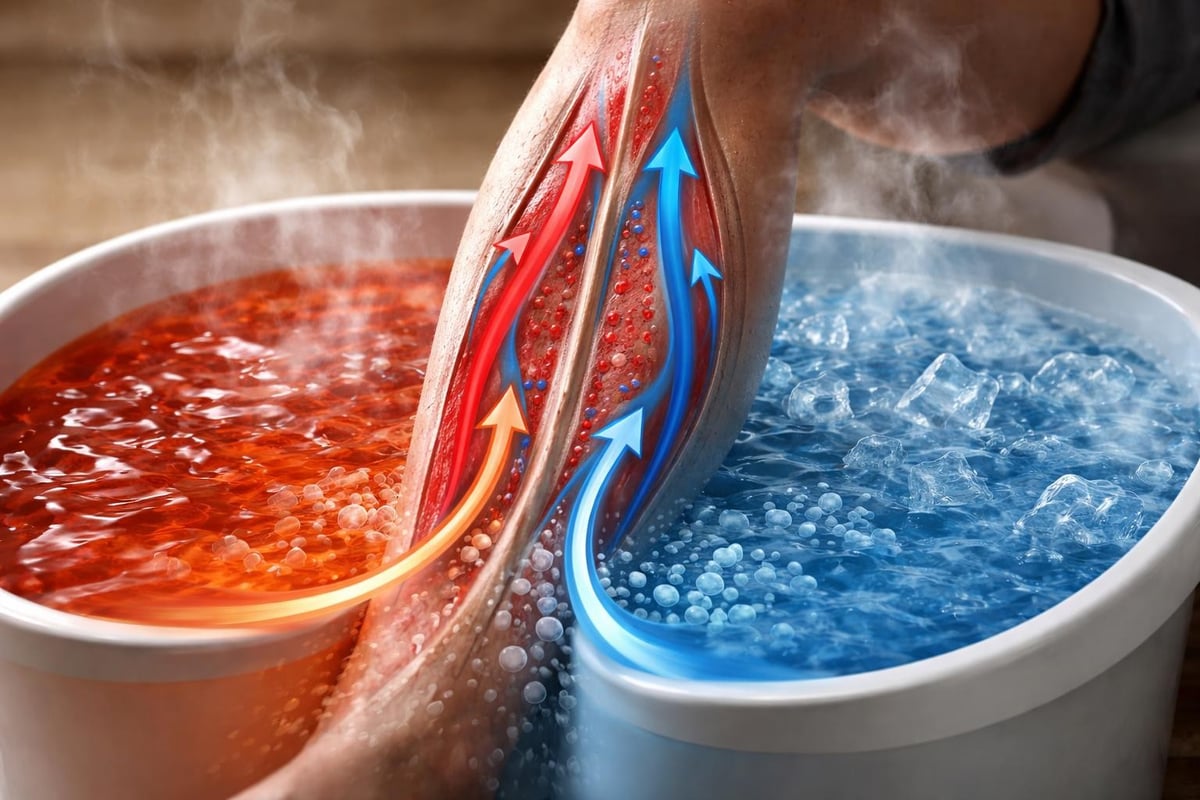
Inflammation reduction happens through controlled vasoconstriction during cold exposure. This temporarily reduces blood flow to inflamed areas, providing relief from chronic pain conditions. The subsequent heat phase then promotes healing circulation.
Mental and Immune Benefits
Beyond physical recovery, contrast therapy delivers cognitive and immune advantages:
- Enhanced mental clarity through increased alertness and focus
- Improved stress resilience via controlled sympathetic nervous system activation
- Better sleep quality from regulated cortisol levels
- Immune system support through increased white blood cell activity
Hot tub benefits include stress relief and cardiovascular improvements that complement cold therapy's effects. Together, they create a comprehensive wellness protocol.
Who Should Use Hot and Cold Jacuzzi Systems
Different groups benefit from contrast therapy in specific ways, making it surprisingly versatile.
Competitive athletes use hot and cold jacuzzi protocols to maintain peak performance during intense training cycles. The accelerated recovery means more quality training sessions without accumulated fatigue. CrossFit competitors, marathon runners, and strength athletes report this as essential to their routines.
Weekend warriors find contrast therapy bridges the gap between demanding physical activity and limited recovery time. If you train hard but can't afford extended rest periods, this approach maximizes the recovery you can achieve in shorter windows.
| User Type | Primary Benefit | Recommended Frequency |
|---|---|---|
| Competitive Athletes | Performance recovery | 4-6x weekly |
| Fitness Enthusiasts | Soreness reduction | 2-3x weekly |
| Chronic Pain Sufferers | Inflammation control | 3-5x weekly |
| Wellness-Focused | Stress management | 2-4x weekly |
People managing chronic conditions such as arthritis, fibromyalgia, or repetitive stress injuries often find relief through consistent contrast therapy. The combination addresses both pain and underlying inflammation.
Not Right for Everyone
Certain conditions require medical clearance before starting contrast therapy:
- Cardiovascular disease or heart conditions
- Pregnancy
- Open wounds or recent surgeries
- Severe Raynaud's disease
- Uncontrolled high blood pressure
Always consult healthcare providers before beginning any new recovery protocol, especially one involving temperature extremes.
Setting Up Your Home System
Creating an effective hot and cold jacuzzi setup at home requires planning but delivers convenience that gym and spa memberships cannot match.
Space considerations start with location. You'll need room for both hot and cold units positioned close enough for quick transitions but with adequate drainage and ventilation. Outdoor installations work well in most climates, while indoor setups require proper moisture management.
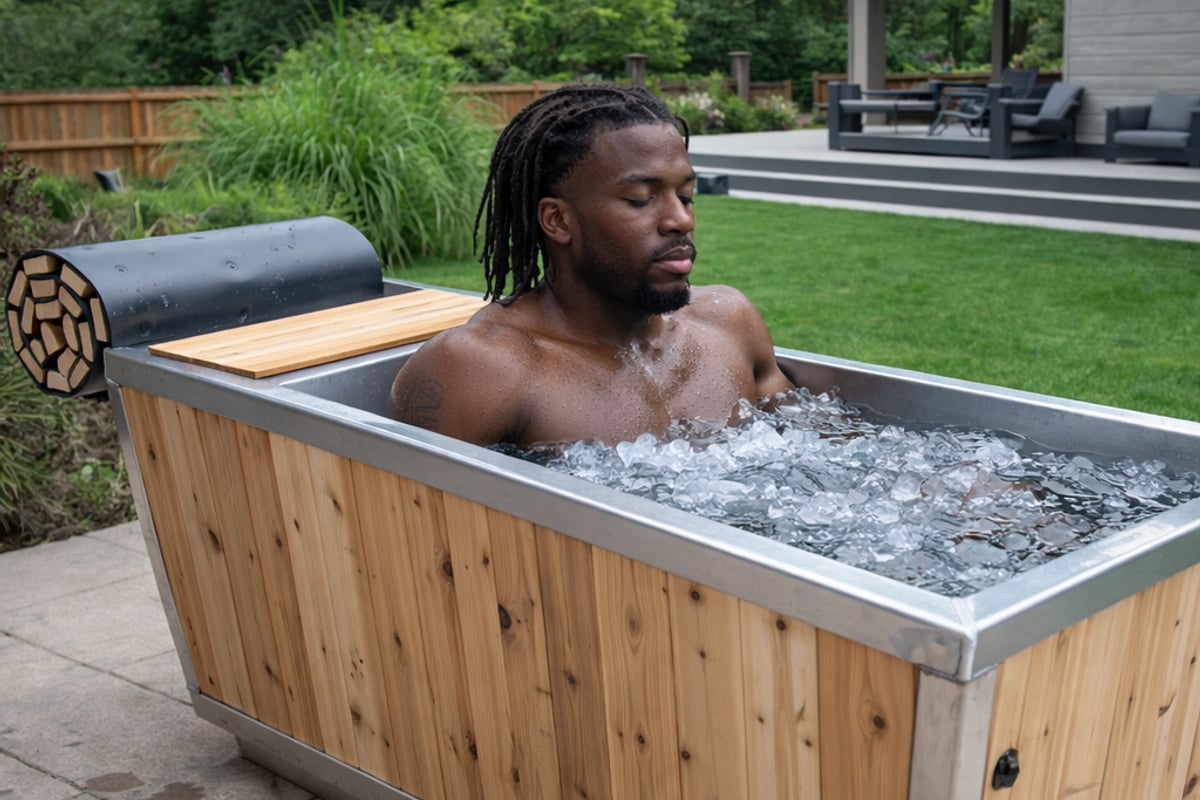
The cold plunge component demands reliable temperature control. Quality systems maintain consistent cold temperatures without constant ice additions. At Plunge N' Tubs, premium cold plunge options deliver professional-grade temperature management using efficient chilling systems.
Essential Features to Prioritize
Temperature stability matters most for the cold plunge. Units with integrated chillers maintain precise temperatures regardless of ambient conditions. This consistency ensures you get therapeutic benefits every session, not just when the weather cooperates.
Insulation quality directly impacts operating costs and performance. Premium cedar construction provides natural insulation while resisting outdoor conditions. Cheaper materials mean higher energy bills and temperature fluctuations that compromise results.
Filtration and sanitation systems keep water clean between uses. Look for multi-stage filtration with ozone or UV sanitation options that reduce chemical needs while maintaining hygiene standards.
| Feature | Why It Matters | What to Look For |
|---|---|---|
| Temperature Control | Consistent therapeutic effect | Integrated chiller, digital thermostat |
| Insulation | Energy efficiency, performance | Premium wood, insulated covers |
| Water Quality | Health, maintenance ease | Multi-stage filtration, UV/ozone |
| Durability | Long-term value | Marine-grade materials, Canadian cedar |
Practical Protocols That Work
Effective contrast therapy follows structured protocols rather than random temperature switching. These evidence-based approaches maximize benefits while minimizing risks.
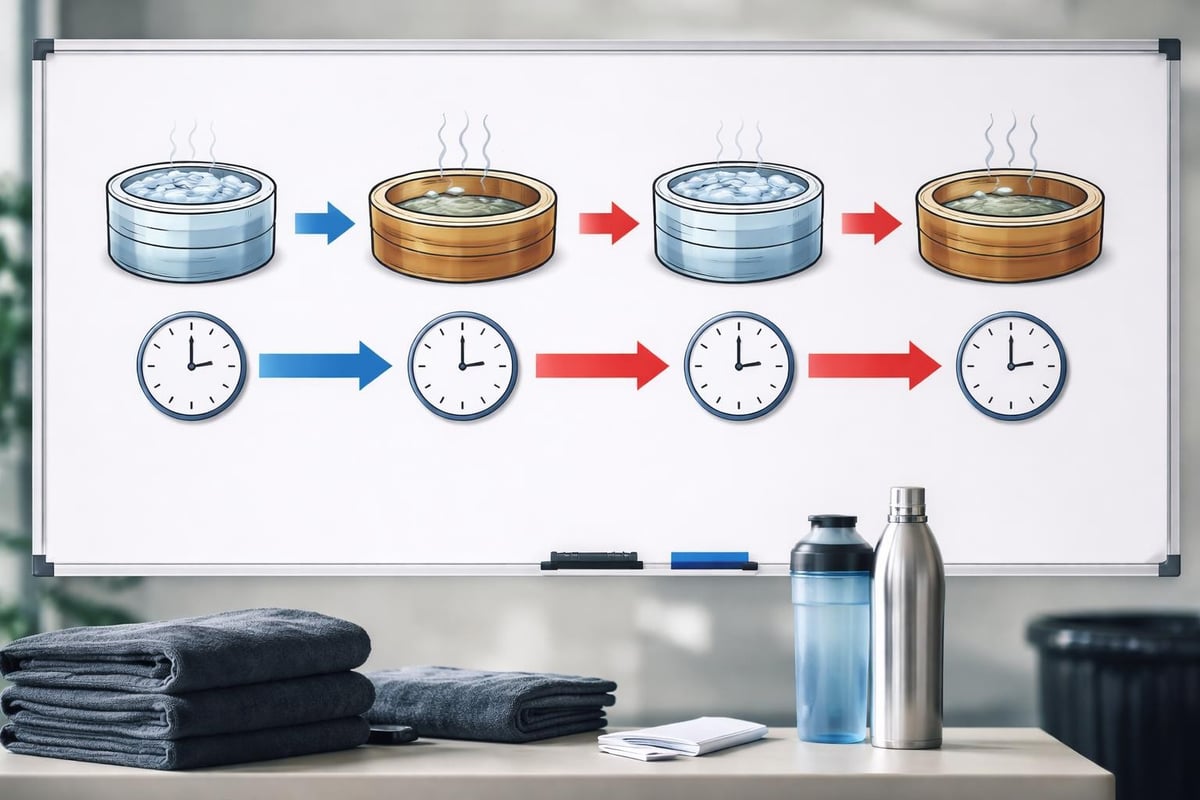
The standard protocol works for most users most of the time:
- Start with 3-4 minutes in hot water (100-104°F)
- Immediately switch to 1-2 minutes in cold water (50-59°F)
- Return to hot water for 3-4 minutes
- Repeat for 3-5 complete cycles
- Always end on cold to reduce inflammation
This pattern creates the vascular pumping action that drives recovery benefits. Consistency matters more than intensity, especially when starting out.
Advanced Variations
Athletic recovery protocol intensifies the contrast for post-training recovery:
- Hot: 3 minutes at 102-104°F
- Cold: 90 seconds at 50-55°F
- 4-6 cycles, ending cold
- Perform within 2 hours post-training
Wellness maintenance protocol offers gentler daily support:
- Hot: 4-5 minutes at 100-102°F
- Cold: 60-90 seconds at 55-60°F
- 3-4 cycles, ending cold
- Focus on relaxation and stress relief
Timing matters. Morning sessions energize and prepare you for the day ahead. Evening protocols should end earlier and use slightly warmer cold temperatures to avoid disrupting sleep.
Common Mistakes That Sabotage Results
Even experienced users make errors that reduce effectiveness or create unnecessary discomfort. Avoiding these pitfalls accelerates your progress.
Temperature extremes too quickly represents the most common beginner mistake. Jumping straight to professional-level cold temperatures causes excessive stress and often leads to abandoning the practice entirely. Start moderate and progress gradually over weeks, not days.
Inconsistent timing undermines the physiological responses that make contrast therapy effective. Staying in cold water too long triggers excessive stress responses. Insufficient hot water duration fails to create adequate vasodilation. Learn more about optimal cold plunge timing for better results.
Protocol and Safety Errors
Skipping hydration before and after sessions leads to unnecessary fatigue and reduced benefits. Temperature extremes increase fluid loss through sweating and increased circulation. Drink 16-24 ounces of water before starting and another 16-24 ounces within 30 minutes of finishing.
Ending on heat misses the anti-inflammatory benefits of finishing cold. While ending hot feels more comfortable, it leaves blood vessels dilated and inflammation markers elevated. Always complete your final cold cycle.
- Eating heavy meals within 90 minutes of sessions
- Using contrast therapy when already fatigued or ill
- Ignoring warning signs like dizziness or excessive shivering
- Neglecting proper warm-up before cold immersion
Alcohol consumption before or during sessions creates dangerous situations. Safety guidelines emphasize avoiding alcohol due to impaired judgment and altered cardiovascular responses. Save the celebration for after your recovery work.
What to Look for When Buying
Investing in a hot and cold jacuzzi system represents a significant commitment. Understanding what separates quality equipment from budget alternatives helps you make informed decisions.
Material quality determines longevity and performance. Premium cedar from Canada offers natural insulation, weather resistance, and aesthetic appeal that synthetic materials cannot match. The wood ages gracefully while maintaining structural integrity through years of temperature cycling.
Manufacturing origin matters more than many realize. Systems built in Canada with locally sourced materials benefit from superior craftsmanship standards and quality control. Plunge N' Tubs sources premium wood from Canada for all their systems, ensuring consistent quality.
Technical Specifications
Chiller capacity for cold plunge units should match your climate and usage patterns:
- 1/2 HP chillers: Suitable for moderate climates, occasional use
- 1 HP chillers: Better for hot climates, daily use
- 1+ HP chillers: Professional-grade for extreme climates, multiple users
Energy efficiency impacts long-term ownership costs significantly. Well-insulated systems with efficient chillers use less electricity while maintaining better temperature control. Calculate operating costs over 3-5 years, not just purchase price.
| Budget Range | What You Get | Best For |
|---|---|---|
| $3,000-$5,000 | Basic models, limited features | Trying contrast therapy, limited space |
| $5,000-$8,000 | Quality materials, good chillers | Serious home users, regular athletes |
| $8,000-$12,000+ | Premium systems, advanced features | Professional athletes, wellness centers |
Warranty coverage reveals manufacturer confidence in their product. Look for comprehensive warranties covering structure, plumbing, and electrical components for at least 2-3 years.
Is Hot and Cold Jacuzzi Therapy Worth It
The value proposition depends on your specific situation, goals, and commitment level. For some users, contrast therapy becomes essential. For others, it remains a luxury.
Calculate your current recovery costs including gym memberships with hydrotherapy access, spa treatments, massage therapy, and recovery supplements. Many users spend $200-400 monthly on these services. A home system pays for itself within 18-24 months while offering superior convenience.
Time savings add substantial value. Eliminating travel to recovery facilities saves 3-5 hours weekly. That's 150-250 hours annually, recovered time you can invest in training, work, or family.
Performance and Health ROI
Measurable improvements justify the investment for serious athletes:
- 20-30% reduction in recovery time between hard training sessions
- Decreased injury rates from better inflammation management
- Improved training consistency due to less accumulated fatigue
- Enhanced sleep quality supporting adaptation and growth
Quality of life benefits matter equally for non-athletes. Reduced chronic pain, lower stress levels, and increased energy throughout the day create value that's harder to quantify but no less real.
Research comparing hot and cold therapy shows both approaches offer benefits, but contrast therapy combining both delivers superior results for recovery.
Installation and Maintenance Realities
Understanding the practical aspects of ownership prevents surprises and ensures long-term satisfaction with your hot and cold jacuzzi system.
Electrical requirements typically include dedicated 220V circuits for hot tubs and 110V for most cold plunge chillers. Professional electricians should handle installations to ensure code compliance and safety. Budget $500-1,500 for electrical work depending on your home's current setup.
Water management involves regular testing, treatment, and periodic complete changes. Hot water requires more frequent attention due to higher bacterial growth at elevated temperatures. Cold water stays cleaner longer but still needs monitoring.
Ongoing Care Requirements
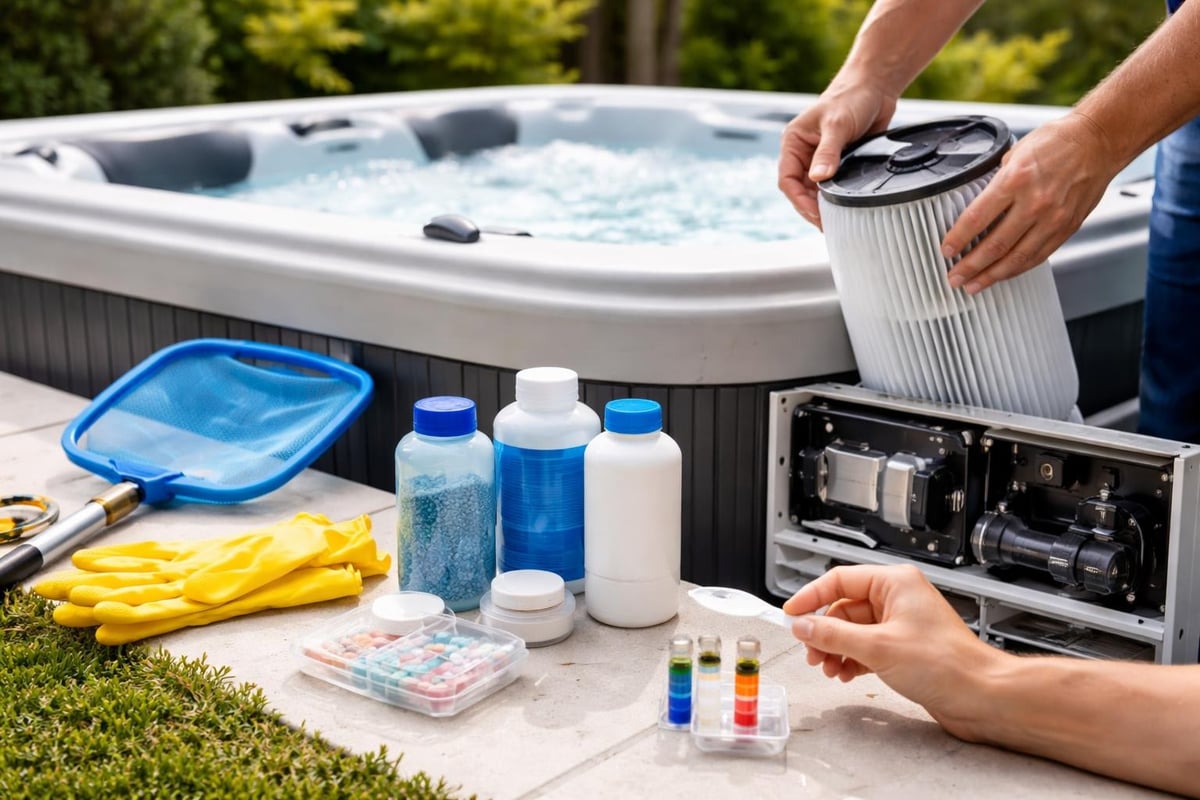
Weekly maintenance keeps systems running efficiently:
- Test and balance water chemistry (pH, alkalinity, sanitizer)
- Rinse filters under pressure
- Wipe down surfaces and covers
- Verify temperature settings
Monthly tasks address deeper cleaning needs:
- Deep clean filters with degreaser
- Drain and clean hot tub (every 3-4 months)
- Inspect seals and connections
- Check chiller performance
Seasonal considerations vary by climate. Winter use in cold regions requires extra insulation attention and possibly recirculation during extreme cold. Summer heat makes maintaining cold plunge temperatures more challenging without adequate chiller capacity.
Frequently Asked Questions
How long should I stay in each temperature?
Start with 3 minutes hot and 1 minute cold for your first few sessions. As you adapt, extend to 3-4 minutes hot and 1-2 minutes cold. Never exceed 5 minutes in cold water during a single exposure.
Can I do contrast therapy every day?
Most people benefit from 3-5 sessions weekly. Daily use works for some individuals, but monitoring recovery and energy levels helps determine optimal frequency. More isn't always better.
What temperature should the hot water be?
Maintain hot water between 100-104°F. Temperatures above 104°F increase health risks without additional benefits. Safe hot tub use guidelines recommend staying below 104°F.
How cold should the cold plunge be?
Target 50-59°F for therapeutic benefits. Beginners can start at 60-65°F and gradually decrease. Below 50°F offers diminishing returns while increasing cold stress significantly.
Should I always end on cold?
Yes, ending your session with cold immersion reduces inflammation and provides the metabolic benefits that make contrast therapy effective. The discomfort passes quickly after exiting.
How much does it cost to run monthly?
Expect $50-150 monthly in electricity costs depending on climate, insulation quality, and usage patterns. Well-insulated systems in moderate climates run on the lower end. Hot climates with daily use trend higher.
Can I use a regular hot tub for the hot portion?
Absolutely. Many users pair a standard hot tub with a dedicated cold plunge. This approach often costs less than purpose-built contrast therapy systems while delivering identical benefits.
Do I need to shower between hot and cold?
No shower needed between transitions. The immediate switch creates the vascular response that drives benefits. Rinse briefly before your first immersion and shower after completing all cycles.
Hot and cold jacuzzi contrast therapy delivers measurable recovery and wellness benefits when implemented correctly, but success requires the right equipment and consistent practice. Whether you're an athlete optimizing performance or someone seeking better daily wellness, quality systems make the difference between transformative results and disappointing experiences. Plunge N' Tubs offers premium cold plunge and hot tub systems crafted from Canadian wood with fast, free delivery across North America, giving you professional-grade recovery tools in your own home.
Share:
Cold Plunge Bathtub: Complete 2026 Buying Guide
Ice Bath Barrel: Complete Guide & What to Buy in 2026