



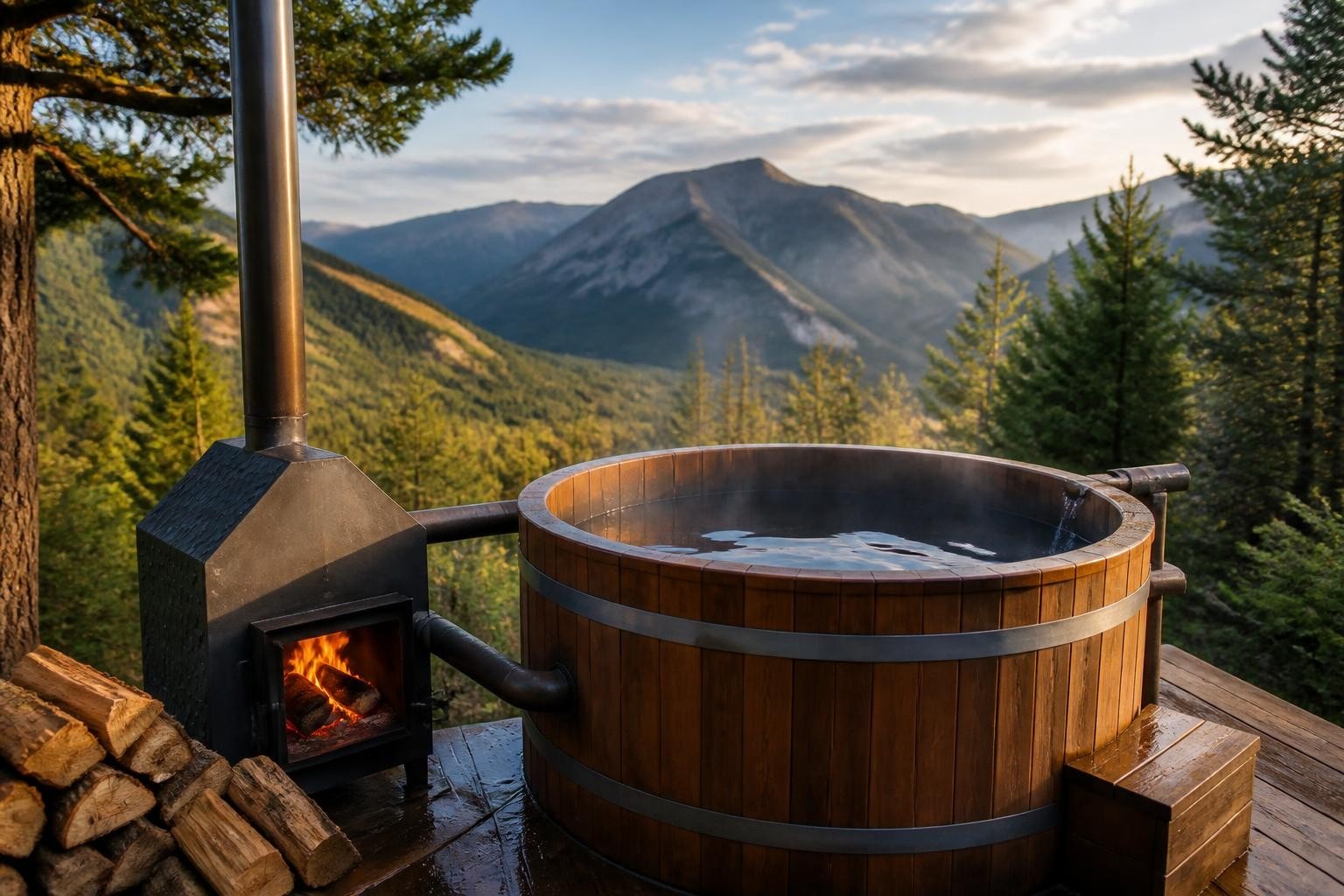
A wood burning jacuzzi offers a unique blend of traditional heating methods and modern relaxation. Unlike electric or gas-powered systems, these units rely on natural wood fuel to heat water, creating an authentic outdoor experience that eliminates ongoing electricity costs. Whether you're looking to reduce your environmental footprint, enjoy off-grid capabilities, or simply appreciate the primal satisfaction of a wood fire, understanding how these systems work is essential before making an investment.
How a Wood Burning Jacuzzi Works
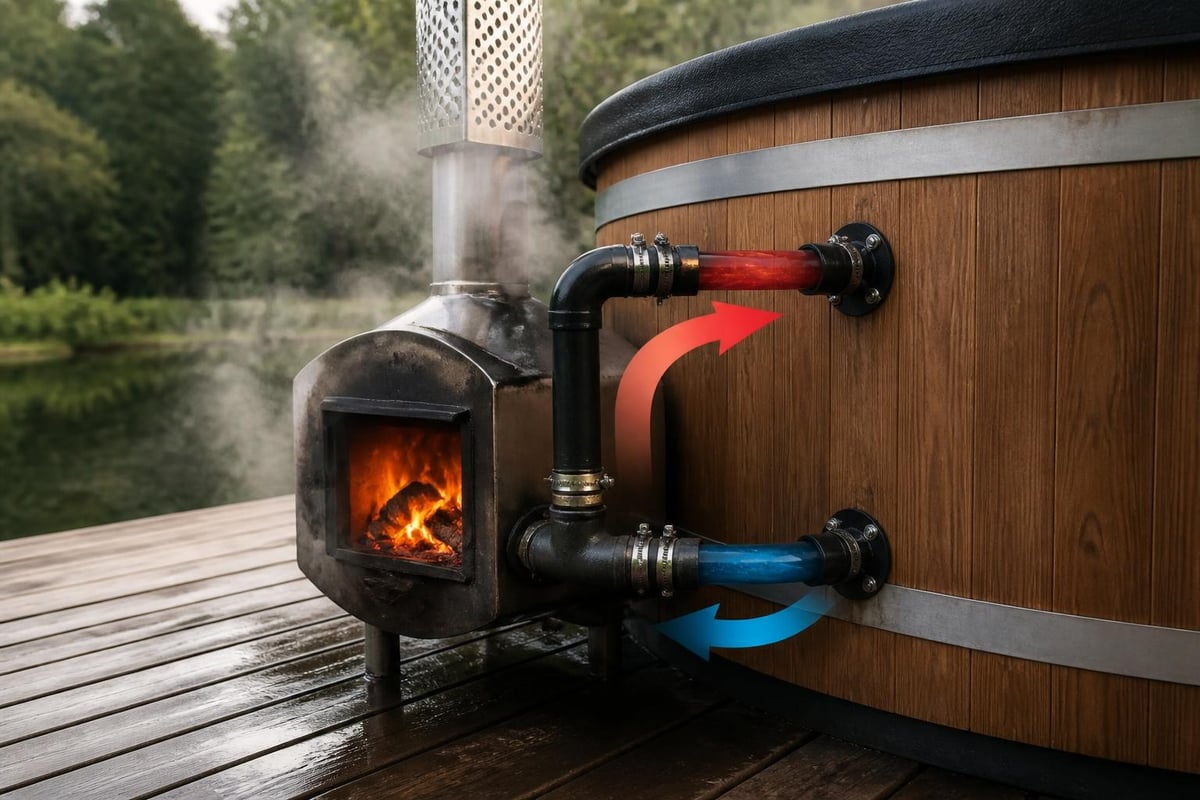
The mechanics behind a wood burning jacuzzi are surprisingly straightforward. A wood-burning stove, typically made from stainless steel or aluminum, sits either inside or adjacent to the tub. As wood burns in the firebox, it heats water that circulates through the stove and back into the main tub, creating a natural convection cycle.
The Heating Process Explained
Most wood burning jacuzzis use a submersible or external heater that connects to the tub through intake and output pipes. Cold water enters the heater at the bottom, warms as it passes through the heated chamber, and returns to the tub at a higher temperature. This continuous circulation process requires no pumps or electricity in basic models.
Key components include:
- Firebox: Where you load and burn seasoned hardwood
- Heat exchanger: Transfers heat from fire to water without mixing
- Chimney system: Vents smoke away from the soaking area
- Draft control: Regulates airflow and burning temperature
The entire heating process typically takes 2-4 hours depending on water volume, outside temperature, and wood quality. Hardwoods like oak, maple, and ash produce the most consistent, long-lasting heat compared to softwoods.
Benefits of Choosing a Wood Burning Jacuzzi
Off-Grid Independence
A wood burning jacuzzi operates completely independent of electrical infrastructure. This makes them ideal for remote properties, cabins, or locations where running power lines would be expensive or impractical. You control your relaxation schedule without worrying about power outages or utility bills.
Cost Effectiveness Over Time
While initial purchase prices range from $3,000 to $12,000, operating costs remain minimal. If you have access to free or inexpensive firewood, your ongoing expenses drop to nearly zero. Even purchasing firewood proves cheaper than the $30-80 monthly electricity costs associated with electric hot tubs.
| Cost Factor | Wood Burning | Electric Hot Tub |
|---|---|---|
| Initial Investment | $3,000-$12,000 | $4,000-$15,000 |
| Monthly Operating | $0-$50 (wood) | $30-$80 (electric) |
| Annual Maintenance | $100-$300 | $200-$500 |
| Lifespan | 15-25 years | 10-15 years |
Environmental Considerations
Burning sustainably harvested wood creates a carbon-neutral heating source, especially when compared to fossil fuel-powered electricity. The sensory experience also connects you to nature in ways electric systems cannot replicate. The crackling fire, wood smoke aroma, and manual temperature control create an immersive outdoor ritual.
Is a Wood Burning Jacuzzi Worth It?
The value proposition depends entirely on your specific situation and priorities. For weekend warriors who use a hot tub occasionally, the manual operation might feel like unnecessary work. For daily users committed to sustainable living or those in remote locations, the benefits significantly outweigh the effort.
Best scenarios for wood burning jacuzzis:
- Properties without convenient electrical access
- Users who enjoy hands-on outdoor experiences
- Households seeking to reduce utility costs long-term
- Environmentally conscious buyers prioritizing sustainability
- Those pairing hot tubs with existing sauna setups
The main trade-off involves convenience versus independence. You'll spend 15-20 minutes loading wood and tending the fire, then wait several hours for heating. However, you gain complete control over operating costs and eliminate dependence on electrical infrastructure.
Who Should Buy a Wood Burning Jacuzzi?
Outdoor Enthusiasts and Homesteaders
If you already heat with wood, maintain a fire pit, or enjoy camping, you possess the mindset needed for wood burning jacuzzi ownership. The routine becomes second nature, and sourcing quality firewood likely fits your existing lifestyle.
Athletes and Recovery-Focused Users
Hot water immersion supports muscle recovery, reduces inflammation, and improves circulation. Athletes training in cold climates particularly benefit from the deep, penetrating heat that wood-fired systems provide. The natural heating process creates a more gradual temperature increase that many find more comfortable than electric systems. For those serious about recovery protocols, cold plunge therapy offers complementary benefits through contrast therapy.
Budget-Conscious Long-Term Planners
Despite higher initial costs compared to inflatable models, wood burning jacuzzis deliver superior longevity. Quality units constructed from Canadian-sourced cedar or other durable woods last 20-25 years with proper maintenance. This translates to lower cost-per-use over decades compared to cheaper alternatives requiring replacement every 5-7 years.
What to Look For When Buying a Wood Burning Jacuzzi
Construction Materials and Quality
Premium models use Eastern White Cedar, Western Red Cedar, or Thermowood for the tub body. These species naturally resist rot, insect damage, and moisture-related degradation. Stainless steel (304 or 316 grade) proves essential for heater components exposed to constant moisture and high temperatures.
Material comparison:
| Material | Lifespan | Maintenance | Cost Tier |
|---|---|---|---|
| Eastern White Cedar | 20-25 years | Low | Premium |
| Western Red Cedar | 18-23 years | Low | Premium |
| Thermowood | 15-20 years | Very Low | Mid-High |
| Plastic Liner + Wood | 12-18 years | Medium | Mid |
Heating System Design
Internal heaters sit inside the tub, creating faster heating times but occupying soaking space. External heaters attach outside the tub walls, preserving interior room while requiring additional plumbing connections. Your choice depends on tub size and how many people typically use it simultaneously.
Look for heaters with efficient heat exchanger designs that maximize surface area contact with water. Larger diameter pipes (2-3 inches) promote better circulation than narrow 1-inch connections.
Capacity and Dimensions
Wood burning jacuzzis typically accommodate 2-8 people, with 4-6 person models being most popular. Measure your installation location carefully, accounting for:
- Base diameter/footprint: 4-7 feet typical
- Height: 30-40 inches standard
- Clearance around heater: Minimum 3 feet for safety
- Access for wood loading: Consider pathway with firewood carriers
Larger tubs require more wood and time to heat but provide better value for families or regular entertaining.
The Starlight Wood-Burning Hot Tub exemplifies premium construction with Canadian-crafted quality, offering a completely self-contained heating solution that operates independent of electrical infrastructure while providing the authentic wood-fired experience serious outdoor enthusiasts demand.
Installation and Setup Considerations
Site Preparation Requirements
A wood burning jacuzzi requires a level, stable foundation capable of supporting 3,000-5,000 pounds when filled. Concrete pads, reinforced decking, or compacted gravel bases work well. The location needs proper drainage to handle overflow and seasonal rainfall.
Essential installation factors:
- Fire safety clearances: 10-15 feet from structures, overhanging branches
- Water source access: Garden hose connection within 50 feet
- Drainage: Slope away from buildings, avoid standing water
- Privacy and wind protection: Fencing, hedges, or natural barriers
Many municipalities require permits for permanent outdoor water features. Check local building codes before installation to avoid compliance issues.
Comparing Wood Burning vs Electric Systems
Understanding the practical differences helps set realistic expectations. Wood-fired hot tubs offer unique advantages but demand different ownership commitments than electric models.
| Feature | Wood Burning | Electric |
|---|---|---|
| Heat-up Time | 2-4 hours | 6-12 hours |
| Temperature Control | Manual, requires monitoring | Automated thermostat |
| Operating Cost | $0-$50/month | $30-$80/month |
| Maintenance Frequency | Weekly cleaning | Bi-weekly chemical balance |
| Portability | Very low (permanent install) | Medium (some models) |
| Complexity | Simple mechanics | Electronic controls |
Maintenance and Care Requirements
Regular Cleaning Routines
Wood burning jacuzzis require more frequent attention than electric models due to organic debris from outdoor exposure. Plan on draining and cleaning every 2-4 weeks depending on usage frequency.
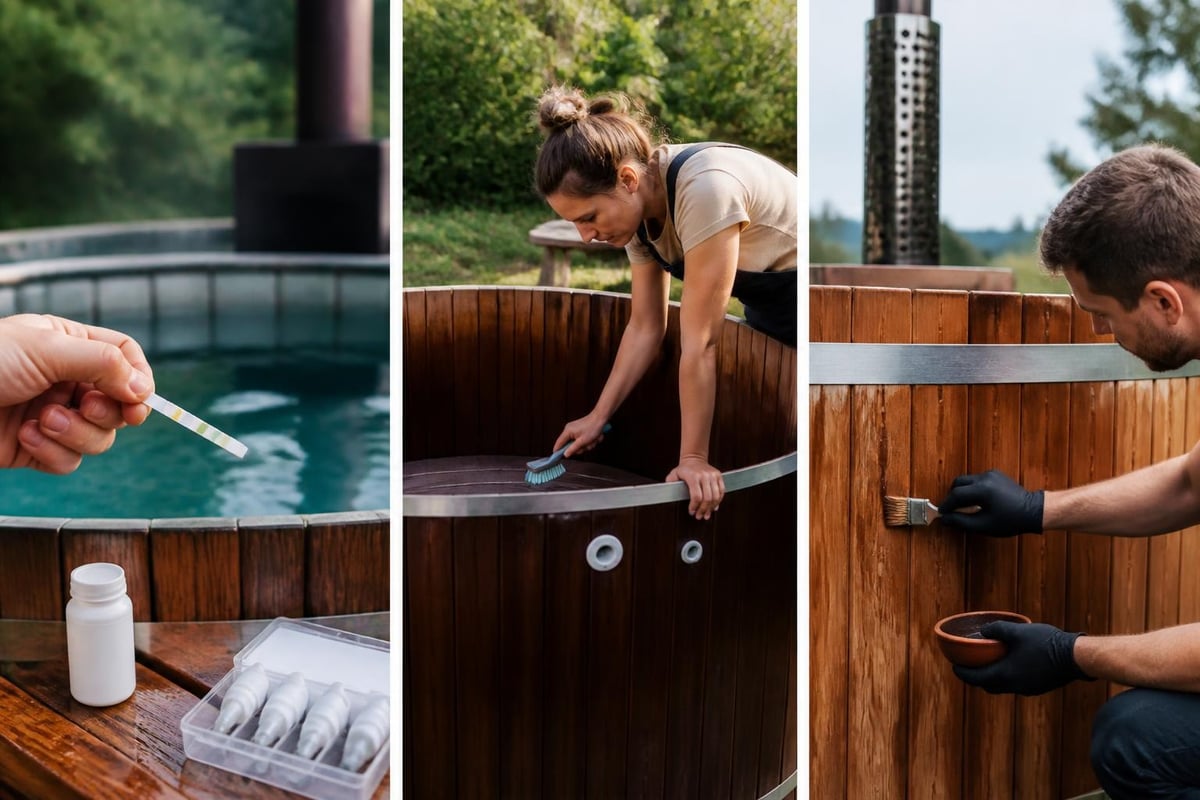
Weekly maintenance checklist:
- Skim surface debris (leaves, insects)
- Test water pH and sanitizer levels
- Add water treatment as needed
- Inspect wood stove for ash buildup
- Check water level (add if needed)
Monthly tasks:
- Drain and refill completely
- Scrub interior surfaces with soft brush
- Clean chimney pipe and firebox
- Inspect wood for cracks or damage
- Treat exterior wood with protective oil
The absence of complex filtration systems simplifies maintenance compared to electric tubs with pumps, jets, and electronic controls. However, you'll manually handle tasks that automated systems perform in electric models.
Water Treatment and Chemistry
Maintaining proper water chemistry prevents bacterial growth and protects wood from degradation. Wooden hot tub water maintenance requires consistent attention to pH balance, sanitizer levels, and alkalinity.
Target ranges for optimal water quality:
- pH: 7.2-7.8 (slightly alkaline)
- Chlorine/Bromine: 3-5 ppm
- Total Alkalinity: 80-120 ppm
- Calcium Hardness: 150-250 ppm
Test water 2-3 times weekly during regular use. Shock treatments after heavy use sessions help maintain clarity and sanitation. Many owners prefer bromine over chlorine for wood tubs due to its stability at higher temperatures and reduced odor.
Common Mistakes Beginners Make
Using Improper Wood Types
Burning softwoods like pine or spruce creates excessive creosote buildup in chimneys and produces less heat per log. Wet or green wood (above 20% moisture content) smolders inefficiently, extending heating times dramatically while creating more smoke.
Optimal firewood characteristics:
- Seasoned hardwoods (oak, maple, ash, hickory)
- Moisture content below 20%
- Split to 3-5 inch diameter for consistent burning
- Stored in dry, covered location for 6-12 months
Purchase a moisture meter ($20-40) to verify wood readiness before burning. This simple tool prevents hours of frustration and poor heating performance.
Neglecting Draft Control
New owners often leave draft controls fully open throughout the heating process, wasting fuel through excessive airflow. Once water reaches 95-100°F, reduce airflow by 50% to maintain temperature while conserving wood. This efficient burning technique extends each wood load by 30-45 minutes.
Overfilling the Tub
Filling beyond the designated water line creates overflow when occupants enter, wasting treated water and creating drainage problems. Leave 4-6 inches of freeboard to accommodate displacement. This proves especially important during initial fills when you're still calibrating proper levels.
Skipping Pre-Season Preparation
Wood burning jacuzzis left exposed to freezing temperatures without proper winterization suffer split planks, cracked stoves, and damaged plumbing connections. Before first frost, either maintain minimal water levels with active heating or completely drain and cover the unit.
Long-Term Durability and Lifespan
High-quality wood burning jacuzzis routinely provide 15-25 years of service with conscientious maintenance. The longevity depends heavily on wood species, construction quality, climate exposure, and maintenance consistency.
Factors affecting lifespan:
- Wood species selection: Cedar varieties outlast pine or spruce by 5-10 years
- Stove material quality: 304 stainless steel resists corrosion better than aluminum
- Climate severity: Extreme freeze-thaw cycles stress wood joints
- Maintenance frequency: Regular oil treatments prevent premature weathering
- Usage patterns: Daily use with proper care often extends life vs sporadic neglect
Plan on replacing heater components (gaskets, chimney sections) every 5-7 years. The tub body itself, when properly maintained, outlasts these serviceable parts significantly. This modular repairability contributes to superior long-term value compared to integrated electric systems requiring complete replacement when components fail.
Cost Analysis and Budget Planning
Initial Investment Breakdown
Entry-level wood burning jacuzzis start around $3,000 for basic 2-4 person models with simple internal heaters. Mid-range options ($5,000-$8,000) offer larger capacities, premium wood species, and external heating systems. Luxury models exceed $10,000 with custom dimensions, integrated benches, and upgraded stove designs.
Additional setup costs:
- Foundation preparation: $200-$1,500
- Delivery and installation: $300-$800
- Initial water treatment supplies: $50-$100
- Firewood storage shed: $200-$600
- Accessories (covers, steps, lighting): $300-$700
Budget $4,000-$6,000 total for a quality mid-range system including installation and initial accessories. This positions you for years of reliable service without cutting corners on essential components.
Operating Expense Reality
Monthly costs remain remarkably low once installed. Firewood represents the primary recurring expense, typically $40-$80 per cord. Active users consume 1-2 cords annually depending on climate and frequency. Water treatment chemicals add $10-20 monthly.
Compare this to electric hot tubs consuming 1,500-2,500 kWh annually (roughly $180-$300 in electricity alone), plus higher chemical costs due to continuous circulation systems. The payback period for higher initial wood burning jacuzzi costs typically occurs within 5-7 years of ownership.
Seasonal Use and Year-Round Operation
Winter Performance Advantages
Wood burning jacuzzis excel in cold weather applications. The continuous fire provides instant heat adjustability, and outdoor soaking during snowfall creates unforgettable experiences. Ice forming on water surfaces between uses actually insulates the tub, reducing heat loss.
Cold weather optimization tips:
- Increase firewood quantity by 25-30% below freezing
- Install windbreaks to reduce heat theft from air movement
- Maintain minimum water temperature of 40°F between uses
- Keep backup firewood near tub for quick reheating sessions
Many northern climate owners report their most memorable soaking sessions occur during winter months, when stepping from 104°F water into crisp air creates invigorating temperature contrast.
Summer Operation Considerations
Hot weather reduces heating times by 30-40% but requires different fire management. Build smaller, hotter fires rather than long-burning loads. Monitor temperature closely, as overheating above 108°F becomes uncomfortable quickly.
Consider partial summer shutdowns if usage drops. Drain, clean thoroughly, and cover until fall demand returns. This prevents unnecessary water treatment and maintenance during low-use periods.
Frequently Asked Questions
How long does it take to heat a wood burning jacuzzi?
Expect 2-4 hours for most models, varying by tub size, starting water temperature, outside air temperature, and wood quality. A 6-person tub on a 40°F day using seasoned hardwood typically reaches 102°F in 3-3.5 hours. Smaller tubs or warmer conditions reduce this to 90-120 minutes.
Can you use a wood burning jacuzzi in all seasons?
Yes, wood burning jacuzzis function year-round with proper preparation. Winter requires more fuel and attention to prevent freezing between uses. Summer demands careful temperature monitoring to avoid overheating. Spring and fall offer ideal conditions with moderate ambient temperatures reducing fuel needs.
What type of wood burns best for heating?
Seasoned hardwoods (oak, maple, ash, hickory, birch) provide optimal heat output and burn duration. Avoid softwoods like pine or cedar for fuel, as they create excessive creosote and burn too quickly. Wood should be split, dried to below 20% moisture, and stored covered for at least 6-12 months before burning.
Do wood burning jacuzzis require special permits?
Requirements vary by municipality. Most areas classify wood burning jacuzzis as permanent outdoor water features requiring building permits similar to pools or permanent spas. Some jurisdictions also regulate outdoor wood burning due to air quality concerns. Check with local building departments before installation.
How often should you change the water?
Plan on complete water changes every 2-4 weeks with regular use. More frequent changing (weekly) becomes necessary during heavy use periods or if multiple users introduce more contaminants. The absence of filtration systems means manual water replacement handles purification that pumps manage in electric tubs.
Are wood burning jacuzzis safe?
When properly installed and operated, wood burning jacuzzis prove very safe. Maintain proper clearances from structures, never leave fires unattended, and monitor water temperature to prevent scalding. Install handrails for entry/exit, especially when using alone. Carbon monoxide concerns are minimal with proper chimney draft and outdoor placement.
Can you convert a wood burning jacuzzi to electric later?
Some models allow heating system swaps, but most wood burning jacuzzis lack the plumbing infrastructure for electric heaters and jets. Conversion typically proves impractical and expensive. Choose your heating method based on long-term needs rather than planning future changes.
Wood burning jacuzzis deliver authentic outdoor relaxation while eliminating electrical dependence and ongoing utility costs. The manual operation and maintenance requirements suit outdoor enthusiasts and homesteaders seeking sustainable wellness solutions. Plunge N' Tubs specializes in premium wood-crafted wellness systems, offering Canadian-sourced cedar hot tubs and cold plunge solutions with fast, free delivery across North America for serious athletes and recovery-focused individuals.
Share:
Home Cold Plunge: Complete Guide to Benefits & Setup
Cold Plunge Systems: Complete Buyer's Guide for 2026