




Cold exposure therapy has exploded in popularity over the past few years, and for good reason. Athletes, biohackers, and wellness enthusiasts are discovering what scientists have known for decades: deliberate cold exposure offers measurable benefits for recovery, inflammation, and mental performance. An ice bath tank provides the foundation for making this practice sustainable at home. Unlike makeshift solutions or gym memberships, owning your own system means you control the temperature, timing, and consistency of your cold therapy routine. This guide walks you through everything you need to know before investing in an ice bath tank for your home.
What Is an Ice Bath Tank?
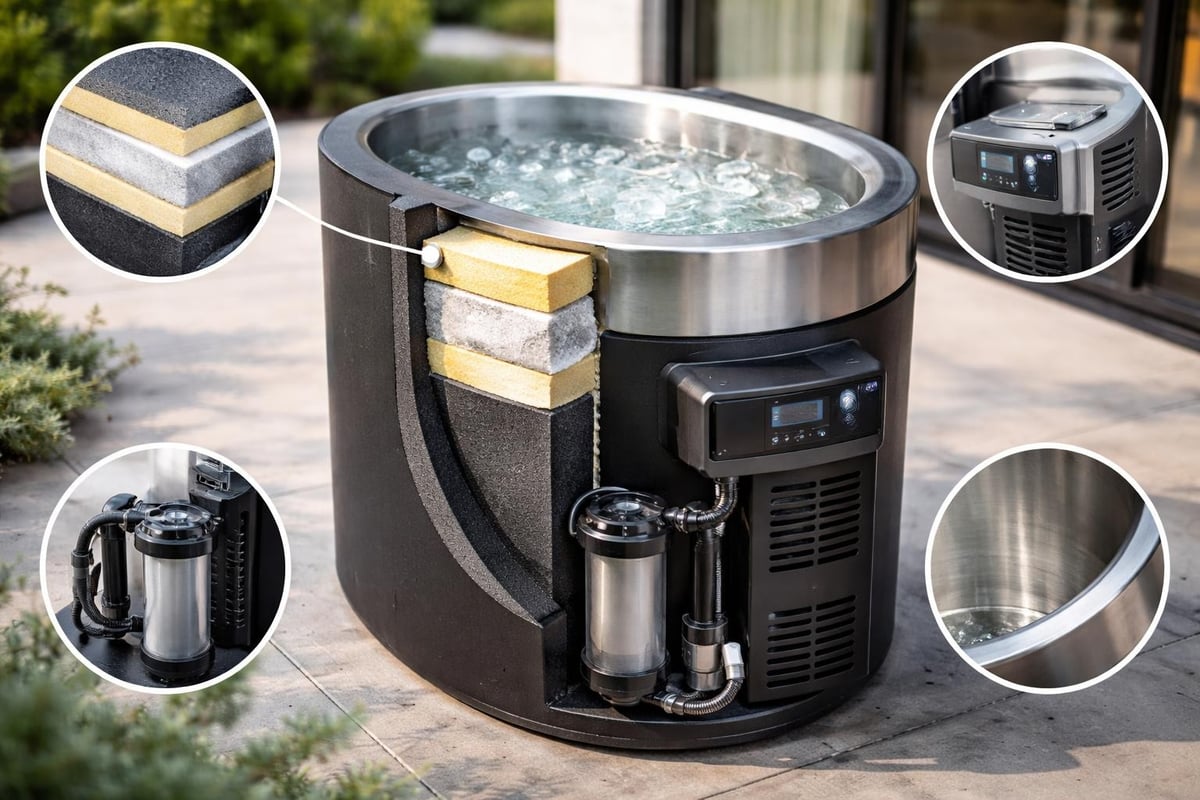
An ice bath tank is a specialized vessel designed to hold water at temperatures between 37°F and 59°F for therapeutic cold immersion. Unlike a standard bathtub, these tanks are built with materials and insulation that maintain consistent cold temperatures.
Modern ice bath tanks come in two primary categories: passive tanks that require ice, and active systems with integrated chillers. Passive models rely on adding ice to reach and maintain cold temperatures, while chiller-equipped tanks use refrigeration technology to cool water automatically.
Key components include:
- Insulated walls to prevent heat transfer
- Durable materials like cedar, stainless steel, or acrylic
- Optional filtration systems for water quality
- Temperature control mechanisms (manual or automatic)
- Drainage systems for easy maintenance
The best ice bath tank for you depends on your budget, available space, climate, and how frequently you plan to use it.
Science-Backed Benefits of Cold Plunge
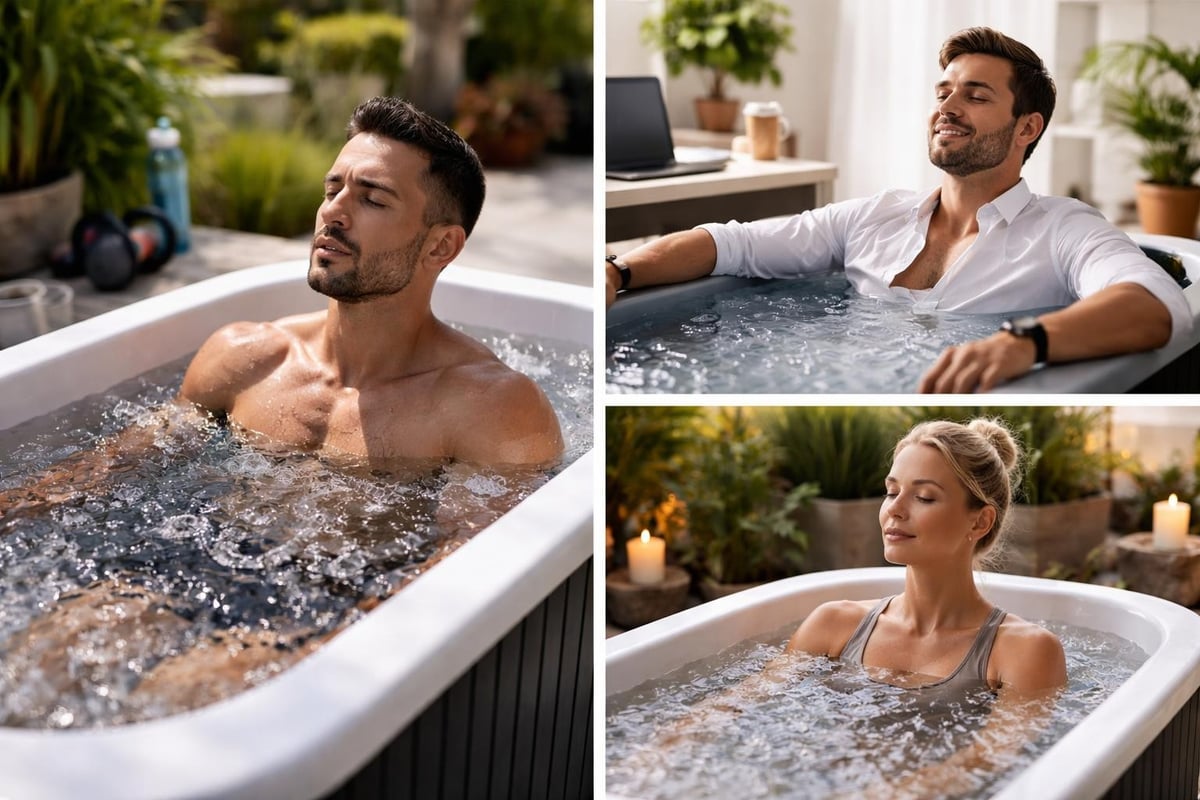
Research continues to validate what early adopters already know. Cold water immersion offers multiple physiological benefits that extend beyond simple muscle recovery.
Physical Recovery and Performance
Cold exposure triggers vasoconstriction, which reduces blood flow to extremities and minimizes inflammation after intense training. When you exit the ice bath tank, vasodilation occurs, flushing metabolic waste from tissues and delivering fresh oxygen and nutrients.
Studies show that regular cold plunging can:
- Reduce delayed onset muscle soreness (DOMS) by up to 20%
- Decrease inflammation markers in blood work
- Improve circulation and cardiovascular function
- Support faster recovery between training sessions
Mental Health and Resilience
Research highlights health benefits from cold-water immersions beyond the physical. Cold exposure activates the sympathetic nervous system, releasing norepinephrine and endorphins that improve mood and mental clarity.
Regular users report improved stress tolerance, better sleep quality, and enhanced focus throughout the day. The discipline required to step into cold water also builds mental resilience that transfers to other areas of life.
Is an Ice Bath Tank Worth It?
This question comes down to frequency, goals, and alternatives.
Consider the math: A single cold plunge session at a wellness center costs $30-$50. If you go twice weekly, that's $240-$400 monthly. A quality ice bath tank pays for itself in 6-12 months compared to ongoing membership fees.
Beyond economics, ownership offers convenience you can't get elsewhere. No driving to the gym, no waiting for available slots, no adjusting your schedule around business hours. You control water quality, temperature, and privacy.
The investment makes sense if you:
- Train intensely 3+ times per week
- Prioritize recovery and performance optimization
- Value mental health and stress management tools
- Want to build consistent wellness habits at home
- Have the space and commitment for regular use
It may not be worth it if you're only curious or plan to use it sporadically. In that case, start with gym access or inflatable options before committing to a permanent installation.
Who Should Buy an Ice Bath Tank?
Cold plunge appeals to a surprisingly diverse audience, but certain groups benefit most from home ownership.
Athletes and Active Individuals
Competitive athletes, CrossFit enthusiasts, runners, and weightlifters use ice bath tanks to accelerate recovery between sessions. The ability to plunge immediately after training maximizes the anti-inflammatory benefits when they matter most.
Wellness Enthusiasts and Biohackers
People optimizing sleep, mental performance, and longevity appreciate the hormetic stress that cold exposure provides. Regular cold plunging fits naturally alongside other practices like sauna use, meditation, and targeted supplementation.
Remote Workers and Entrepreneurs
The mental clarity and energy boost from morning cold plunges helps professionals start their day with focus and resilience. Many report it replaces or reduces their need for caffeine.
Anyone Managing Chronic Inflammation
People dealing with arthritis, autoimmune conditions, or chronic pain often find relief through consistent cold therapy. Always consult your physician before starting any new therapeutic practice, especially if you have underlying health conditions.
What to Look for When Buying an Ice Bath Tank
Not all ice bath tanks deliver the same experience or longevity. Focus on these critical factors before making your purchase decision.
Material Quality and Durability
The material determines how well your tank maintains temperature, withstands weather, and ages over time.
| Material | Pros | Cons | Best For |
|---|---|---|---|
| Cedar/Wood | Natural insulation, aesthetic appeal, durable | Requires maintenance, higher cost | Outdoor installations, premium setups |
| Stainless Steel | Extremely durable, easy to clean, modern look | Can feel clinical, conducts cold | Indoor/outdoor, long-term investment |
| Acrylic | Affordable, good insulation, lightweight | Less durable than metal or wood | Indoor use, budget-conscious buyers |
| HDPE Plastic | Weather-resistant, low maintenance, affordable | Less aesthetic appeal | Outdoor use, harsh climates |
Premium manufacturers like those offering Eastern White Cedar construction prioritize materials that naturally resist mold, rot, and temperature fluctuations.
Chiller vs. Ice-Only Systems
Active chiller systems cost more upfront but eliminate the ongoing expense and hassle of buying ice. A quality chiller maintains precise temperatures year-round, regardless of ambient conditions.
Chiller systems offer:
- Consistent temperature control (±1°F accuracy)
- No ice purchasing or storage needed
- Lower long-term operating costs
- Better for daily use
Ice-only tanks work well if you have reliable ice access, use the tank occasionally, or prefer the simplicity of a passive system. They're also more affordable initially and require no electricity.
Size and Capacity
Ice bath tanks range from compact single-person barrels to spacious tubs that accommodate taller users comfortably.
Standard dimensions:
- Barrel-style: 27-31 inches diameter, suitable for seated immersion
- Rectangular: 60-75 inches length, allows full-body submersion
- Depth: 24-30 inches for proper shoulder coverage
Taller individuals (6'2"+) should prioritize length to avoid uncomfortable positioning. Most manufacturers provide exact internal dimensions, not just external measurements.
Filtration and Sanitation
Water quality matters for both health and maintenance. Better systems include filtration, ozone generators, or UV sanitation to keep water clean between draining cycles.
Without filtration, plan to change water every 1-2 weeks. With proper filtration, you can extend this to 4-6 weeks while maintaining clean, clear water.
Insulation Performance
Quality insulation reduces energy costs for chiller systems and ice consumption for passive tanks. Look for:
- Multi-layer insulation in walls and floor
- Insulated covers that seal properly
- R-value ratings when available
- Minimal heat transfer in temperature tests
Poor insulation forces your chiller to run constantly or requires excessive ice to maintain temperature.
Common Mistakes Beginners Make
First-time cold plungers often make predictable errors that reduce effectiveness or create safety concerns.
Starting Too Cold or Too Long
The biggest mistake is jumping into 39°F water for 10 minutes on day one. This creates unnecessary suffering and increases dropout rates.
Better approach:
- Start at 60°F for 2-3 minutes
- Gradually decrease temperature by 2-3°F weekly
- Build duration slowly, adding 30 seconds each session
- Target 50°F for 3-5 minutes as your sustainable practice
Research on safe cold plunge practices emphasizes gradual adaptation over shocking your system.
Ignoring Breathing Techniques
Panic breathing and hyperventilation are common when cold hits your skin. Learning to control your breath makes the experience manageable and enhances the therapeutic benefits.
Practice box breathing: 4-count inhale, 4-count hold, 4-count exhale, 4-count hold. This activates your parasympathetic nervous system and overrides the cold shock response.
Skipping the Warm-Up
Jumping into an ice bath tank with cold muscles increases the shock response. A brief warm-up through light movement or dynamic stretching prepares your cardiovascular system for the temperature change.
Not Tracking Progress
Without tracking duration and temperature, you can't measure adaptation or ensure progressive overload. Simple notes in your phone create accountability and help you see improvement over weeks and months.
Neglecting Maintenance
Ice bath tanks require regular cleaning, water chemistry monitoring, and seasonal maintenance. Skipping these tasks leads to algae growth, equipment damage, and poor water quality that makes the experience unpleasant.
Setting Up Your Ice Bath Tank at Home
Proper installation ensures safety, longevity, and optimal performance from your investment.
Location Considerations
Indoor placement:
- Requires proper drainage or waterproof flooring
- Consider humidity and ventilation
- Easier temperature control in climate-controlled spaces
- More private but less connection to outdoor elements
Outdoor placement:
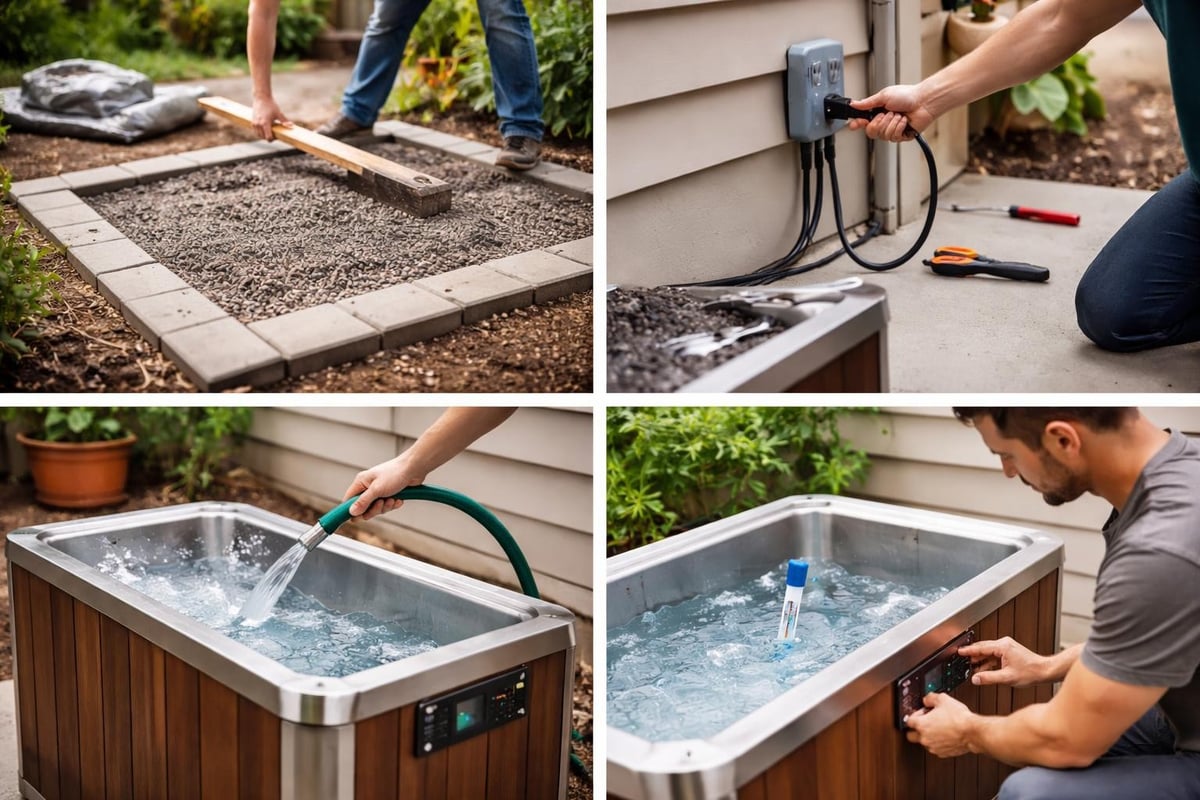
- Needs level, stable foundation (concrete pad, deck, gravel base)
- Consider sun exposure (shade extends chiller life)
- Weatherproofing and seasonal considerations
- More aesthetic integration with outdoor wellness spaces
Many users pair their ice bath tank with a sauna, creating a contrast therapy setup that maximizes benefits from both hot and cold exposure.
Electrical Requirements
Chiller-equipped systems typically require:
- 110V or 220V outlet (check specifications)
- GFCI protection for safety
- Dedicated circuit recommended for larger units
- Professional electrician for outdoor installations
Initial Setup and Testing
- Place tank on level surface and verify stability
- Fill with water and check for leaks
- Run chiller empty first to verify operation
- Set target temperature and monitor cooling time
- Test filtration system if equipped
- Balance water chemistry (pH, sanitizer levels)
Most quality manufacturers include detailed setup guides and customer support. Some even offer white-glove delivery and installation as part of the purchase.
Premium Ice Bath Tank Options for 2026
The market has matured significantly, offering sophisticated options that rival commercial wellness centers.
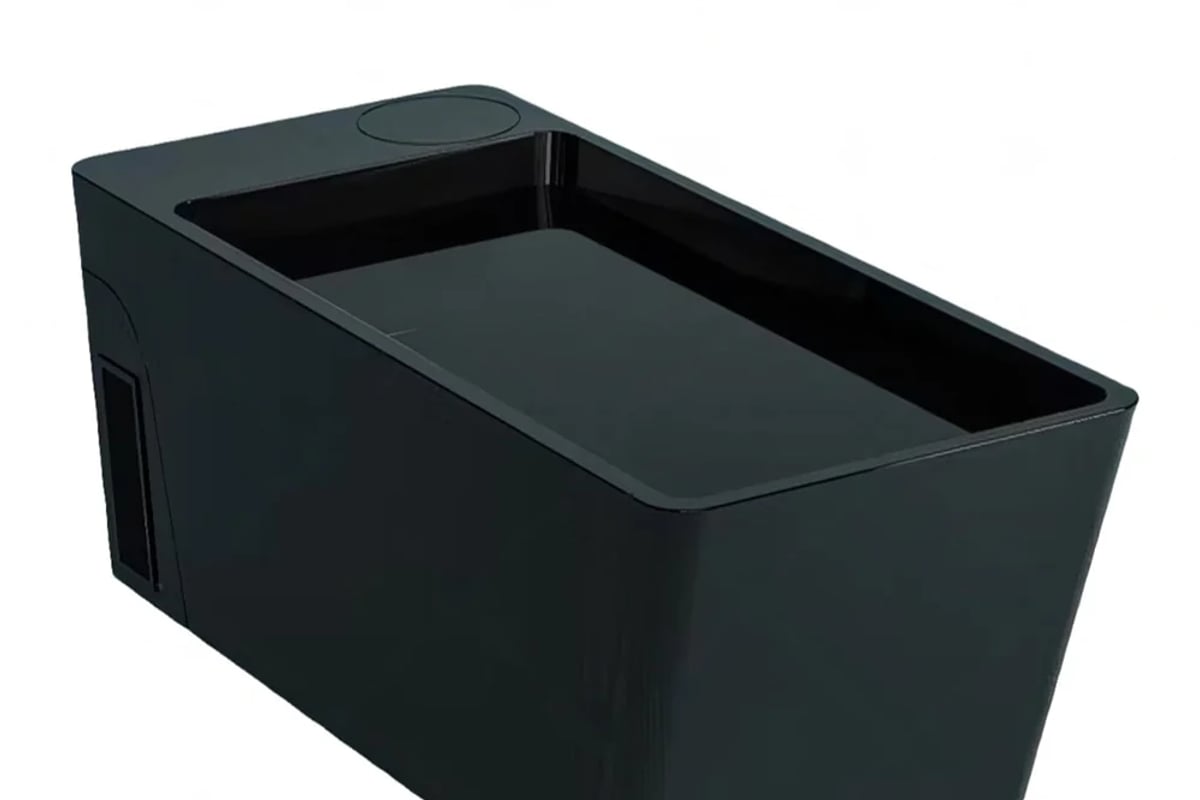
Modern systems like the Orivon Frost Cold Plunge Tub demonstrate the evolution of home cold therapy equipment. With a powerful 1HP integrated chiller maintaining precise temperatures between 37°F and 108°F, it provides both ice-cold recovery and temperature flexibility. The premium acrylic construction offers durability and easy maintenance, while the built-in thermostat ensures consistent results every session. The rectangular design accommodates full-body immersion comfortably, making it practical for daily use rather than just occasional recovery.
For those prioritizing natural materials, Canadian-manufactured options using Eastern White Cedar combine aesthetic appeal with functional performance. These premium wood tanks offer natural insulation properties and age beautifully when properly maintained.
When evaluating options, compare:
- Warranty coverage (1-5 years typical)
- Customer support quality and responsiveness
- Delivery and setup assistance
- Replacement parts availability
- User reviews from verified purchasers
The customer results from real users provide valuable insights into long-term satisfaction and actual performance versus marketing claims.
Daily Ice Bath Tank Routine
Consistency matters more than intensity when building a sustainable cold plunge practice.
Morning routine (energy and focus):
- Light movement or stretching (3-5 minutes)
- Set timer for target duration
- Enter gradually, focusing on breath control
- Maintain calm breathing throughout
- Exit when timer sounds, no heroics
- Towel dry and move gently to rewarm naturally
Post-training routine (recovery):
- Complete training session
- Wait 10-15 minutes (brief cool-down)
- Enter ice bath tank within 1 hour of finishing
- Focus on areas with most muscle damage
- Keep duration to 3-8 minutes
- Allow natural rewarming, no hot shower immediately
Evening routine (sleep optimization):
- Plunge 2-3 hours before bed
- Slightly warmer temperature (50-55°F)
- Shorter duration (2-4 minutes)
- Focus on relaxation rather than stress exposure
The ongoing debate about optimal timing continues, but most research supports 3-5 minutes at 50°F as an effective starting point that balances benefits with safety.
Maintenance and Long-Term Care
Proper maintenance extends the life of your ice bath tank and ensures safe, clean water for every session.
Weekly Tasks
- Test and adjust water chemistry (pH 7.2-7.6)
- Add sanitizer as needed (chlorine or mineral systems)
- Skim surface debris
- Check filter pressure and clean if elevated
- Wipe down interior surfaces
Monthly Tasks
- Deep clean filter cartridge
- Inspect chiller components for ice buildup
- Check all seals and gaskets
- Clean waterline with appropriate cleaner
- Verify drainage system operates properly
Seasonal Tasks
- Drain and refill completely (every 3-4 months)
- Inspect wood surfaces for splitting or weathering (if applicable)
- Check electrical connections for corrosion
- Test chiller performance at temperature extremes
- Apply wood treatment or sealant as needed
Winter Considerations
In cold climates, your ice bath tank may need winterization if not in use. This includes draining completely, blowing out plumbing lines, and covering securely. Many dedicated users run their systems year-round, appreciating the contrast between ambient cold and controlled water temperature.
Cost Analysis: Total Ownership
Understanding the full financial picture helps you make an informed decision.
| Expense Category | Initial Cost | Annual Cost |
|---|---|---|
| Ice bath tank (quality) | $3,000-$8,000 | $0 |
| Installation/setup | $0-$500 | $0 |
| Electricity (chiller) | $0 | $200-$400 |
| Water/drainage | $0 | $50-$100 |
| Chemicals/maintenance | $100 | $150-$250 |
| Replacement filters | $0 | $100-$200 |
| Total First Year | $3,100-$8,600 | $500-$950 |
| Years 2-5 Average | N/A | $500-$950 |
Compare this to wellness center memberships at $150-$300 monthly ($1,800-$3,600 annually) and the math becomes clear. Your ice bath tank typically achieves ROI within 12-24 months while providing unlimited access.
Integration with Other Recovery Tools
Cold plunge works synergistically with other recovery and wellness practices.
Sauna contrast therapy amplifies benefits from both modalities. Alternating between hot sauna and cold plunge creates a powerful cardiovascular workout, enhances detoxification, and produces profound relaxation. The typical protocol involves 15-20 minutes in the sauna followed by 2-4 minutes in your ice bath tank, repeated 3-4 times.
Compression therapy and massage complement cold plunge by addressing different aspects of recovery. While cold reduces inflammation systemically, targeted compression and manual therapy release specific muscle tension and improve lymphatic drainage.
Sleep optimization benefits from strategic cold plunge timing. Evening sessions 2-3 hours before bed can improve sleep quality by promoting the natural temperature drop your body needs for deep sleep initiation.
Scientific analysis of cold therapy effectiveness continues to explore these combination approaches, though individual response varies.
Frequently Asked Questions
How long should I stay in an ice bath tank?
Start with 2-3 minutes and gradually build to 5-8 minutes maximum. More time doesn't necessarily mean more benefits, and excessive duration increases hypothermia risk without additional therapeutic value.
What temperature should I set my ice bath tank?
Beginners should start at 55-60°F and work down to 50°F over several weeks. Advanced users may go as cold as 39-45°F, but this isn't necessary for most people to receive full benefits.
Can I use an ice bath tank every day?
Yes, daily use is safe for most healthy individuals once you've adapted gradually. Many athletes and wellness enthusiasts plunge 5-7 times weekly. Listen to your body and take rest days if you feel overstressed or fatigued.
Do I need a chiller or can I just add ice?
Chiller systems provide convenience and consistency, especially for daily users. Ice-only systems work well for occasional use or in cooler climates where ambient temperatures help maintain cold water. Calculate your ice costs before deciding, as daily ice purchases add up quickly.
How often do I need to change the water?
With proper filtration and sanitation, change water every 4-6 weeks. Without filtration, drain and refill every 1-2 weeks to maintain hygiene. More frequent use requires more frequent water changes.
Are there any health risks I should know about?
Cold plunge is generally safe for healthy individuals, but Harvard Health discusses important safety considerations including cardiovascular stress. People with heart conditions, high blood pressure, or compromised immune systems should consult their physician before starting cold therapy. Never plunge alone, especially when beginning.
What's the difference between a cold plunge tub and an ice bath tank?
These terms are largely interchangeable. Both describe vessels designed for cold water immersion therapy. Some manufacturers use specific terminology to differentiate features, but functionally they serve the same purpose.
Can I install an ice bath tank indoors?
Yes, with proper drainage and ventilation. Indoor installations offer climate control and privacy but require careful planning for water management and humidity control. Many users successfully install systems in basements, bathrooms, or dedicated wellness rooms.
Investing in an ice bath tank represents a commitment to your recovery, performance, and overall wellness. The right system provides years of reliable service while supporting your health goals through consistent cold exposure practice. Whether you're an athlete seeking competitive advantage or someone optimizing mental clarity and longevity, owning your cold plunge setup offers unmatched convenience and long-term value. Plunge N' Tubs delivers premium cold plunge systems crafted from quality Canadian materials, backed by fast and free delivery across North America, so you can start your cold therapy journey with confidence and support that matches your commitment to excellence.
Share:
Hot and Cold Plunge: Ultimate Guide to Contrast Therapy
Cold Plunge for Sale: Complete Buying Guide for 2026