



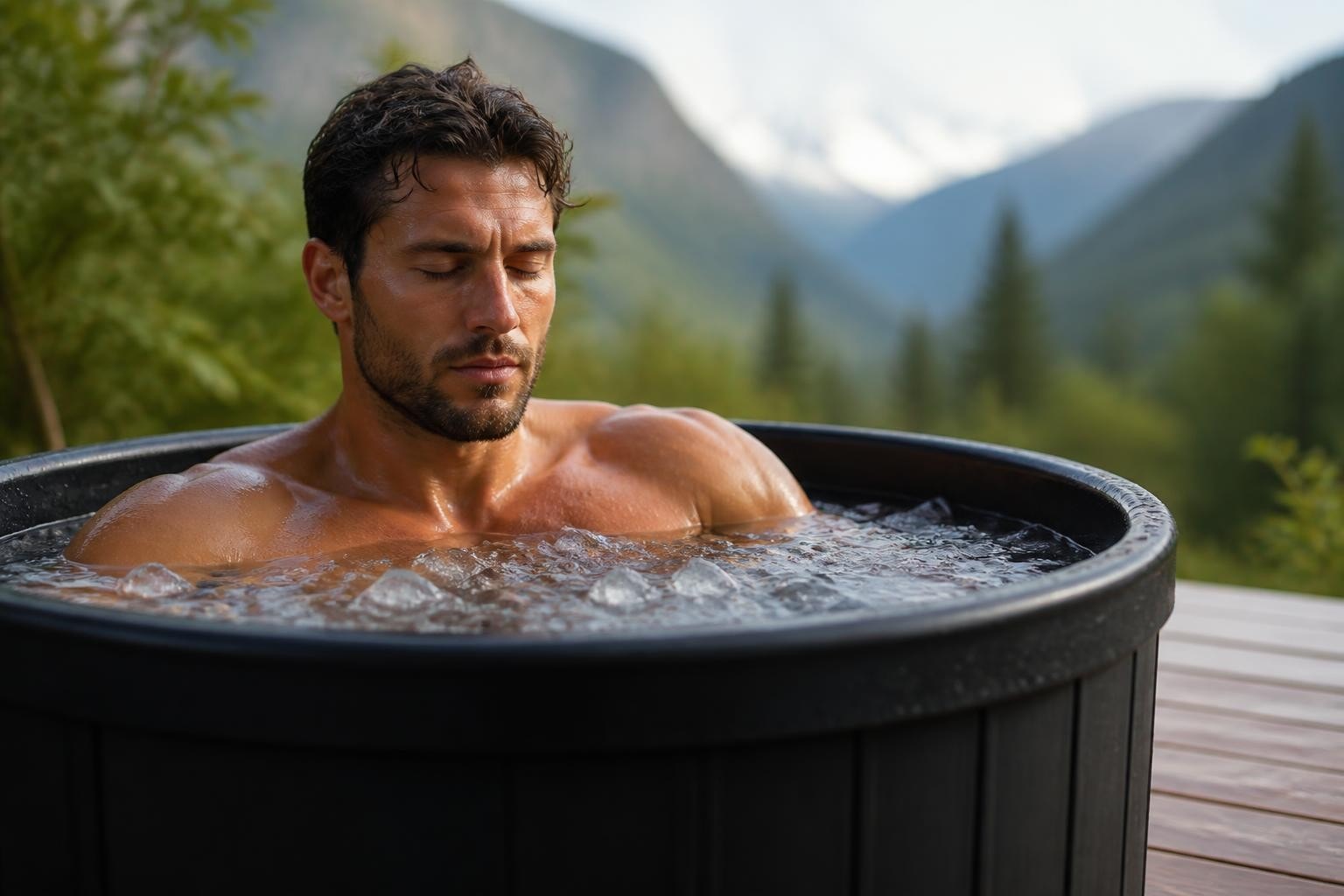
Ice plunge tubs have transformed from professional athlete equipment into accessible home wellness tools. With mounting evidence supporting cold water immersion benefits, more people are investing in dedicated ice plunge tubs for daily recovery routines. This guide walks you through everything you need to know before making a purchase, from understanding core benefits to avoiding costly beginner mistakes.
Understanding Ice Plunge Tubs and How They Work
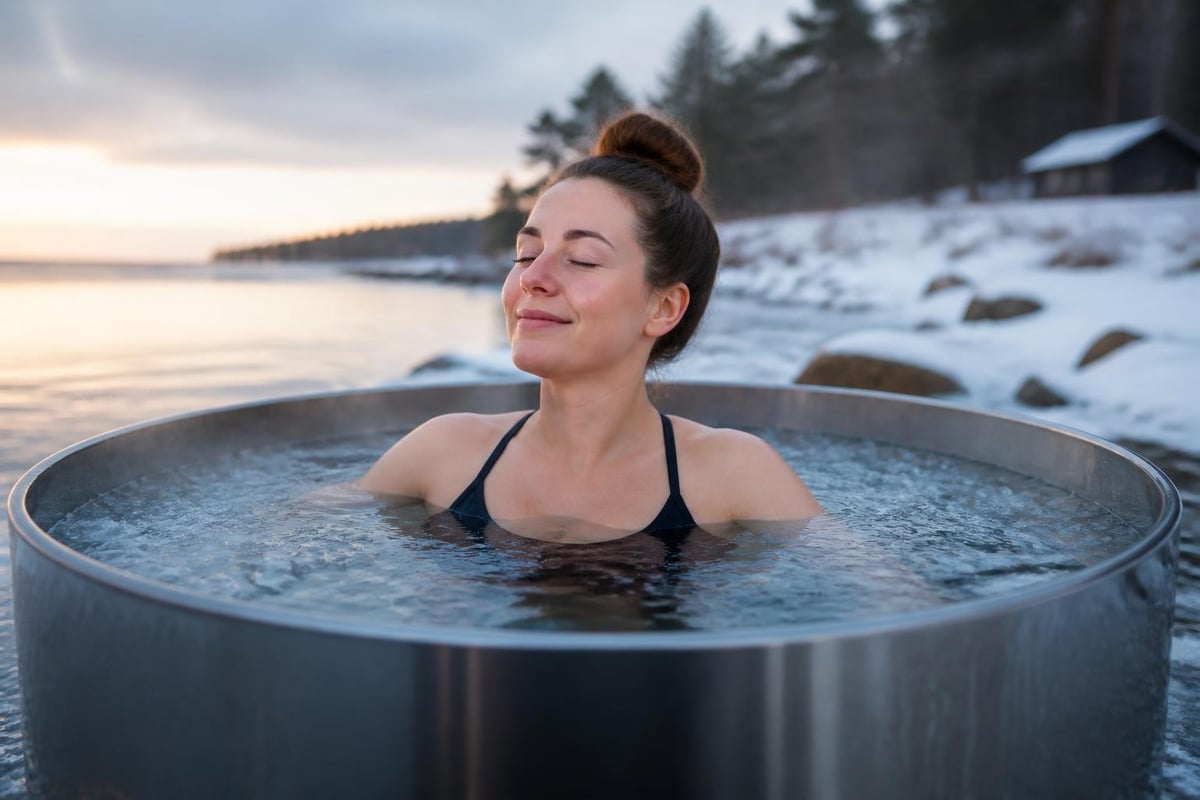
Ice plunge tubs are specialized vessels designed to maintain cold water temperatures for therapeutic immersion. Unlike filling your bathtub with ice, these purpose-built systems offer precise temperature control and insulation for consistent cold therapy sessions.
Most modern ice plunge tubs operate between 37°F and 55°F, though some models allow broader temperature ranges. The key distinction separates passive tubs (requiring manual ice addition) from active systems (using integrated chillers). Active systems maintain temperature automatically, while passive designs offer portability and lower upfront costs.
Temperature Control Systems
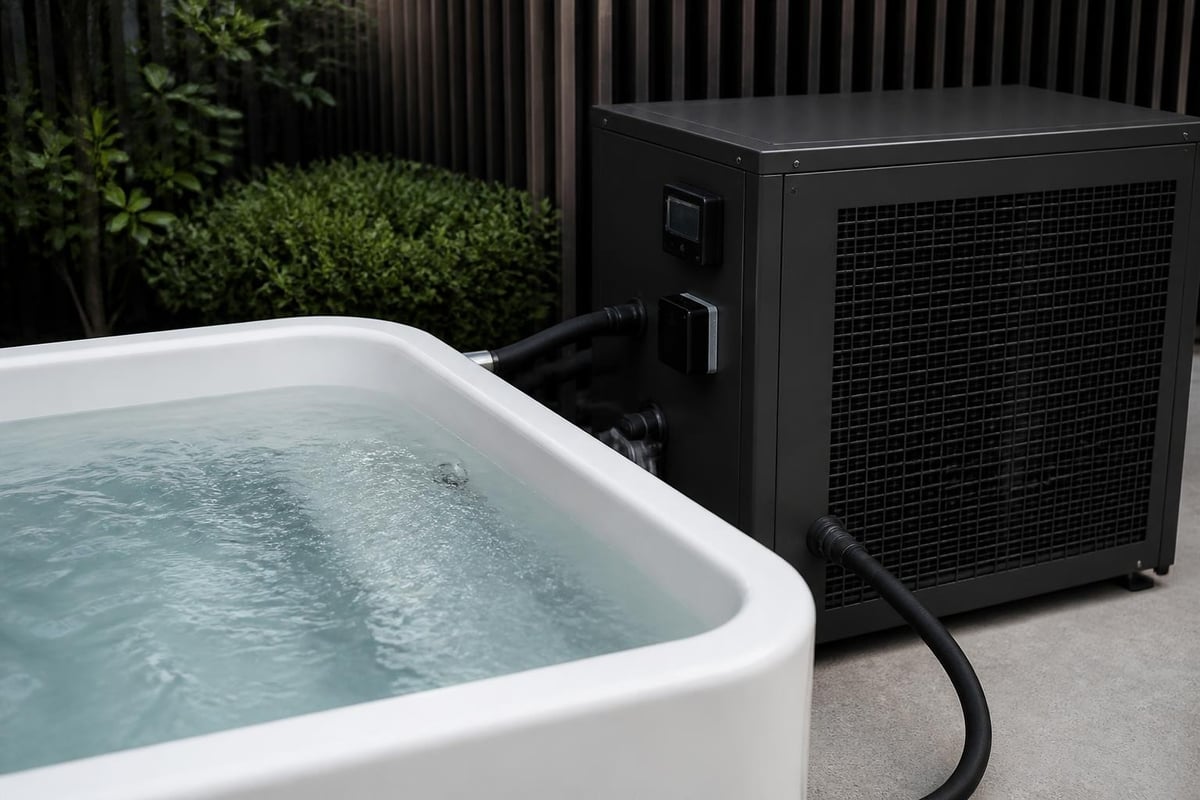
The chilling mechanism determines both performance and price point. Electric chillers circulate refrigerant through coils, cooling water continuously without ice. These systems typically draw between 900 and 1500 watts, comparable to a window air conditioner.
Manual ice systems require regular replenishment, with most users adding 20-40 pounds of ice per session. This approach works well for occasional use but becomes impractical for daily cold plungers who want consistency.
Key temperature control features:
- Digital thermostats for precise settings
- Automated filtration to maintain water quality
- Insulated walls to minimize temperature drift
- Timer functions for pre-scheduled cooling
Science-Backed Benefits of Regular Cold Plunging
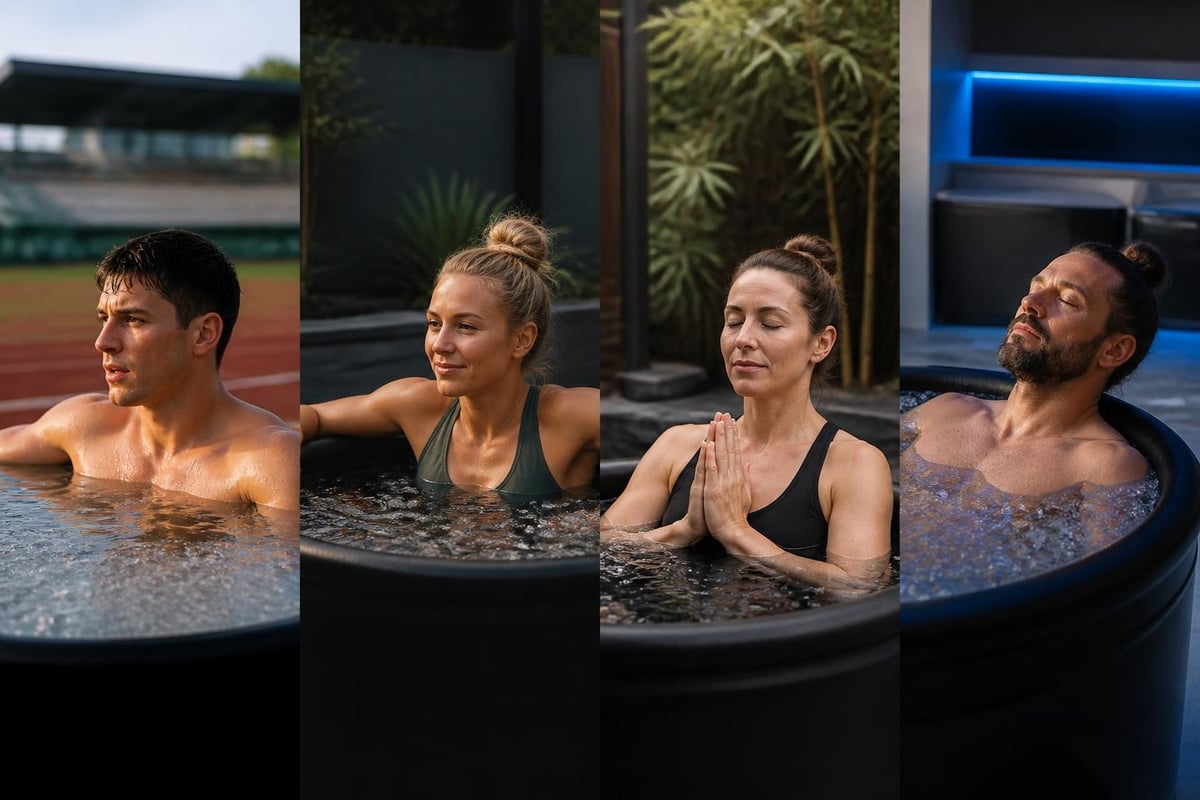
Research continues validating what athletes have known intuitively for decades. Cold plunge therapy triggers multiple physiological responses that support recovery and performance.
Cold exposure constricts blood vessels, reducing inflammation and metabolic activity in tissues. When you exit the cold water, fresh blood rushes back, delivering oxygen and nutrients while removing metabolic waste. This vascular exercise strengthens circulation over time.
Physical Recovery Benefits
Muscle recovery acceleration ranks as the primary motivation for most ice plunge tub buyers. Cold water immersion reduces muscle soreness by 20-30% according to multiple studies, particularly effective after intense resistance training or endurance work.
Inflammation reduction occurs through multiple mechanisms. Cold temperatures slow cellular metabolism, decreasing the production of inflammatory compounds. Professional athletes typically plunge within 30-60 minutes post-workout for maximum anti-inflammatory effect.
| Benefit | Timeline | Evidence Level |
|---|---|---|
| Reduced muscle soreness | 24-48 hours post-exercise | Strong |
| Inflammation reduction | Immediate to 12 hours | Strong |
| Improved sleep quality | Same evening | Moderate |
| Enhanced mood | Immediate to 2 hours | Moderate |
| Metabolic boost | During and 30 min after | Emerging |
Mental and Metabolic Benefits
Beyond physical recovery, cold exposure activates mental clarity pathways. The initial shock triggers norepinephrine release, sharpening focus and elevating mood for hours afterward. Many users report improved mental health from consistent practice.
Metabolic activation from regular cold exposure may support healthy brown fat development. Brown fat burns calories to generate heat, potentially contributing to metabolic health when activated regularly through cold therapy.
Is Investing in Ice Plunge Tubs Worth It?
The financial calculation extends beyond sticker price. Quality ice plunge tubs range from $2,000 for basic passive models to $10,000+ for premium chiller-equipped systems.
Compare this against gym memberships offering cold plunge access. At $150-200 monthly, you break even on a $5,000 system within 25-30 months. More importantly, home access removes friction, dramatically increasing consistency.
Value proposition factors:
- Elimination of travel time to gyms or spas
- Unlimited daily sessions without additional fees
- Privacy for consistent practice
- Property value enhancement for wellness-focused homes
- Family access multiplying per-person value
Time Savings and Consistency
Most cold plunge users cite convenience as the deciding factor. The difference between walking to your backyard versus driving 20 minutes to a facility determines whether you'll actually maintain a daily practice.
Professional recovery centers charge $30-50 per session. If you're committed to 4-5 weekly sessions, home ownership pays for itself faster than almost any wellness investment.
Who Should Buy Ice Plunge Tubs?
Ice plunge tubs serve specific user profiles better than others. Understanding whether you fall into these categories helps determine if the investment makes sense.
Ideal candidates include:
- Serious athletes training 5+ days weekly who need consistent recovery tools
- Fitness enthusiasts experiencing regular muscle soreness or inflammation
- Biohacking practitioners optimizing health through evidence-based interventions
- Home gym owners building comprehensive recovery ecosystems
- Wellness professionals offering recovery services to clients
People with certain medical conditions should consult physicians before cold water immersion. Safety considerations include cardiovascular health, cold sensitivity conditions, and pregnancy.
Not Ideal For
Casual exercisers working out 1-2 times weekly may not justify the investment. Similarly, renters without outdoor space face installation challenges with permanent systems, though portable cold plunge options exist.
Budget-conscious buyers might start with simple ice baths before upgrading to dedicated systems once they've validated the habit.
What to Look for When Buying Ice Plunge Tubs
Smart purchasing requires evaluating multiple factors beyond price. The right choice depends on your specific situation, space, and recovery goals.
Material and Construction Quality
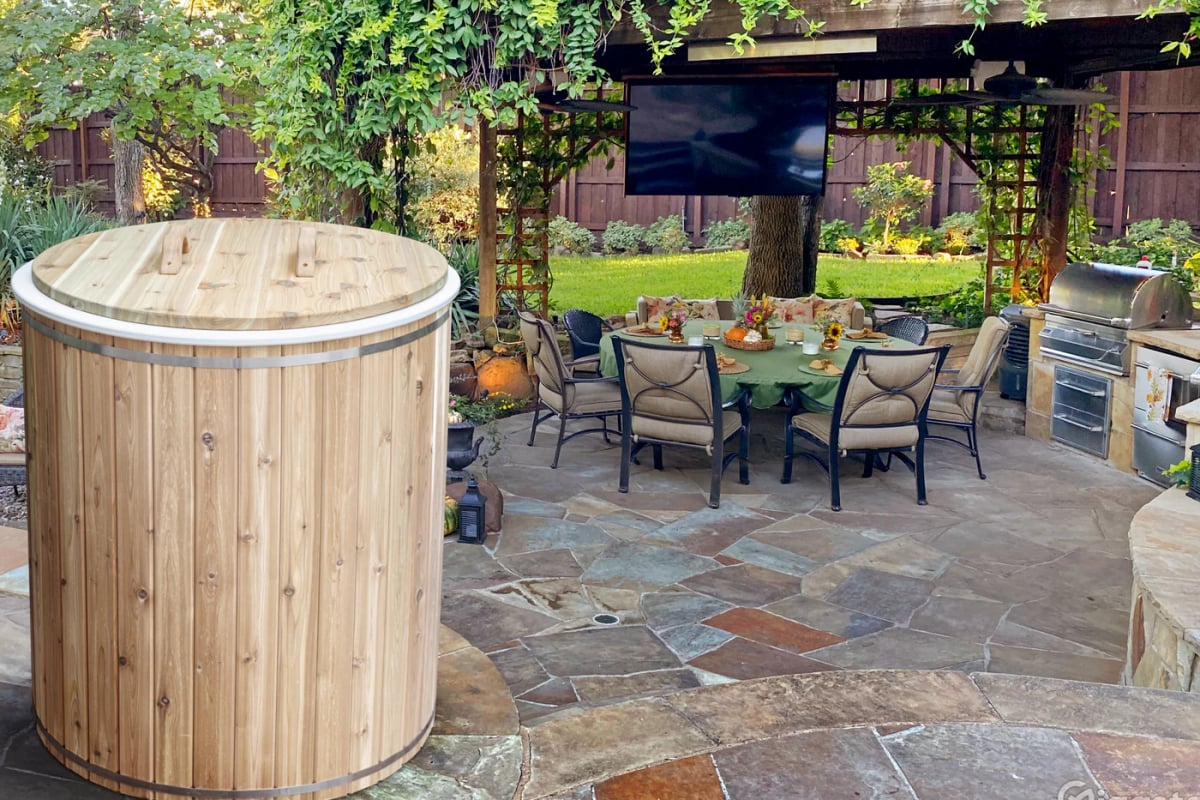
Premium ice plunge tubs use materials selected for durability and temperature retention. Cedar wood offers natural antimicrobial properties and excellent insulation, making it popular for outdoor installations. Canadian-sourced cedar specifically provides superior weather resistance for year-round use.
Stainless steel interiors resist corrosion and maintain hygiene more easily than plastic alternatives. While more expensive initially, stainless construction eliminates replacement concerns over decades of use.
Acrylic models provide modern aesthetics with good insulation properties. They're lighter than wood equivalents, simplifying installation in spaces with weight restrictions.
Size and Capacity Considerations
Dimensional planning:
- Single-person tubs: 30-36 inches diameter, 150-200 gallons
- Two-person models: 48+ inches diameter, 300-400 gallons
- Space requirements including access clearance
- Door width limitations for indoor installations
Water volume directly impacts chilling costs and time. Larger tubs require more powerful chillers, increasing both purchase price and operating expenses. Calculate your actual needs rather than defaulting to maximum size.
Chiller Performance Specifications
The chilling system represents the most critical technical specification. Underpowered chillers struggle to maintain temperature in warm climates or frequent-use scenarios.
| Climate Zone | Recommended Chiller HP | Cooling Capacity |
|---|---|---|
| Cool (avg <70°F) | 0.5 HP | 3,000 BTU/hr |
| Moderate (70-85°F) | 1.0 HP | 6,000 BTU/hr |
| Hot (85°F+) | 1.5+ HP | 9,000+ BTU/hr |
Installation requirements vary significantly. Some chillers integrate directly into the tub, while others require separate placement and plumbing connections. Electrical demands range from standard 110V outlets to dedicated 220V circuits.
Filtration and Water Management
Quality filtration systems reduce maintenance burden dramatically. Look for multi-stage filtration combining mechanical particle removal with UV or ozone sanitation.
Water treatment schedules differ by system. Integrated filtration systems may require full water changes only monthly, while basic models need weekly replacement. Factor ongoing costs including filters, sanitizers, and water usage into your budget.
Installation and Space Requirements
Proper installation determines long-term satisfaction with ice plunge tubs. Planning ahead prevents costly modifications after purchase.
Indoor vs Outdoor Placement
Outdoor installation offers simpler setup without water intrusion concerns. Ensure level, stable ground with proper drainage. Most wooden tubs withstand weather year-round, though covers protect against debris and improve insulation efficiency.
Indoor placement requires waterproofing, ventilation, and drainage planning. Condensation management becomes critical in enclosed spaces. Some users install dehumidifiers to prevent moisture damage to surrounding structures.
Indoor installation checklist:
- Verify floor load capacity (10-15 pounds per square foot when filled)
- Install waterproof flooring or containment barriers
- Plan drain routing to existing plumbing
- Ensure adequate ventilation for humidity control
- Provide electrical service matching chiller requirements
Electrical and Plumbing Needs
Professional electrical installation ensures safety and warranty compliance. Chiller-equipped systems typically require dedicated circuits with GFCI protection. Budget $500-1,500 for electrical work depending on distance from your service panel.
Plumbing needs vary by model. Self-contained systems need only a water source for initial filling and periodic top-offs. Drain-equipped models simplify water changes but require connection to waste lines or outdoor drainage.
The Baltic Plunge Tub represents premium craftsmanship with flexible installation options. Manufactured in Canada from durable Eastern White Cedar, it ships fully assembled for immediate use with either electric chillers or manual ice addition.
Common Mistakes Beginners Make
First-time ice plunge tub owners frequently encounter predictable issues. Learning from others' experiences saves frustration and expense.
Temperature and Duration Errors
Starting too cold ranks as the most common mistake. Begin with 60-65°F water for 2-3 minute sessions. Your cold tolerance develops over weeks, not days. Rushing into 40°F water for 10 minutes often ends the practice permanently.
Progressive adaptation works better. Decrease temperature by 2-3 degrees weekly while gradually extending duration. Most experienced users settle around 45-50°F for 5-8 minutes.
Maintenance Neglect
Water quality degrades quickly without proper care. Skipping filtration maintenance or delaying water changes creates bacterial growth and unpleasant odors. Follow manufacturer schedules religiously, especially during the first months of ownership.
Essential maintenance tasks:
- Test and adjust pH weekly (target 7.2-7.8)
- Clean filters every 2-4 weeks depending on use frequency
- Shock treat monthly with appropriate sanitizers
- Drain and deep clean quarterly
- Inspect seals and fittings during water changes
Unrealistic Expectations
Ice plunge tubs amplify recovery when combined with proper training, nutrition, and sleep. They don't replace these fundamentals. Some buyers expect miraculous results without addressing basic wellness factors.
Similarly, benefits accumulate with consistency. Missing the optimal cold plunge duration or practicing sporadically limits results. Build the habit before judging effectiveness.
Operating Costs and Long-Term Ownership
Beyond purchase price, ongoing expenses affect total ownership cost. Understanding these helps set realistic expectations.
Energy Consumption
Chiller-equipped ice plunge tubs consume electricity continuously during active cooling. A 1 HP chiller running 6-8 hours daily uses approximately 180-240 kWh monthly. At average U.S. rates of $0.14 per kWh, expect $25-35 monthly electrical costs.
Insulation quality dramatically impacts runtime. Well-insulated models maintain temperature with less frequent chilling cycles, reducing consumption by 30-40% compared to basic designs.
Energy-saving strategies:
- Use insulated covers when not in use
- Schedule cooling during off-peak electricity hours
- Maintain optimal water chemistry to prevent chiller strain
- Place outdoor units in shaded locations during summer
Water and Maintenance Supplies
Water costs remain minimal since most users change water monthly. At typical municipal rates, 200-300 gallons costs $2-4 per change. Well water users eliminate this expense entirely.
Sanitizers, pH adjusters, and filter replacements add $15-30 monthly depending on system complexity and usage frequency. These costs drop as you optimize your maintenance routine.
Choosing Between Wood, Acrylic, and Stainless Steel
Material selection balances aesthetics, performance, and maintenance requirements. Each offers distinct advantages for different situations.
Wood Construction Benefits
Natural wood ice plunge tubs provide superior insulation and timeless aesthetics. Cedar specifically contains natural oils that resist rot and repel insects. The material breathes, reducing condensation issues compared to sealed alternatives.
Wood requires periodic maintenance including sealing and occasional refinishing. This adds character over time rather than detracting from appearance. Many owners appreciate the ritual of seasonal care as part of their wellness practice.
Modern Material Alternatives
Acrylic and fiberglass offer maintenance-free exteriors with excellent shape flexibility. These materials allow curved designs and integrated seating impossible with wood construction. They're lighter, simplifying installation in challenging locations.
Stainless steel interiors combine with various exterior materials for optimal performance. Steel eliminates staining and odor absorption issues while maintaining structural integrity indefinitely. The premium option for those prioritizing longevity over initial cost.
Frequently Asked Questions
How long do ice plunge tubs last?
Quality ice plunge tubs last 15-25 years with proper maintenance. Cedar wood tubs often exceed 20 years, while acrylic and stainless steel systems can function 25+ years. Chiller components typically require replacement every 8-12 years depending on usage intensity.
Can I use ice plunge tubs in winter?
Absolutely. Outdoor ice plunge tubs function year-round in most climates. In freezing conditions, chillers work less to maintain temperature, actually reducing operating costs. Some users enjoy the contrast of cold air and cold water during winter sessions.
Do I need a chiller or can I just use ice?
Your usage frequency determines this. Daily cold plungers benefit from chiller convenience and consistency. Those plunging 2-3 times weekly can manage with manual ice addition, though temperature control becomes less precise. At-home cold plunge systems offer both options.
What's the ideal temperature for beginners?
Start between 60-65°F for 2-3 minute sessions. This temperature feels challenging but manageable for newcomers. Progress gradually based on comfort, aiming eventually for 45-55°F once adapted. Listen to your body rather than forcing predetermined targets.
How often should I change the water?
With proper filtration and sanitation, change water every 4-6 weeks. Systems without filtration require weekly changes. Water quality testing guides this schedule more accurately than arbitrary timelines. Cloudy water or chemical imbalances indicate immediate change necessity.
Are ice plunge tubs safe for everyone?
Most healthy adults tolerate cold plunging safely. However, people with cardiovascular conditions, pregnancy, or cold sensitivity disorders should consult physicians first. The Cleveland Clinic provides detailed safety guidance for those with medical concerns.
Can I install an ice plunge tub myself?
Basic models allow DIY installation, especially self-contained units requiring only water source access. Chiller-equipped systems often need professional electrical work for safety and warranty compliance. Always verify local code requirements before beginning installation.
Ice plunge tubs deliver measurable recovery benefits when selected thoughtfully and used consistently. The right system matches your specific needs, space constraints, and budget while supporting long-term wellness goals. For premium cold plunge solutions crafted from Canadian cedar with fast, free North American delivery, explore the complete selection at Plunge N' Tubs. Their athlete-trusted systems bring professional-grade recovery directly to your home, eliminating the friction that prevents consistent cold therapy practice.
Share:
Ice Bath Tub Near Me: Your 2026 Buying Guide
The Plunge Cold Plunge: Complete 2026 Buying Guide